USDA Grades: Because Apparently Eggs Take the SAT
There are also USDA grades: AA, A, and B. AA are basically the valedictorians of the egg world. Perfect whites, tight yolks, no weird spots. A is slightly lower tier, but still excellent. B? Honestly, I’ve never seen them sold in a normal grocery store. Maybe they’re used in bulk baking?
If I’m frying or poaching, I splurge on AA. If I’m baking cookies or something where the eggs are hidden under sugar and butter, I don’t bother.

Here’s When It All Made Sense
One Sunday morning, I made scrambled eggs. Boring, I know, but I was lazy and tired. I cracked two eggs, added salt and cream, threw it in a pan. The texture was weird. Almost watery. Flavorless. Just… sad.
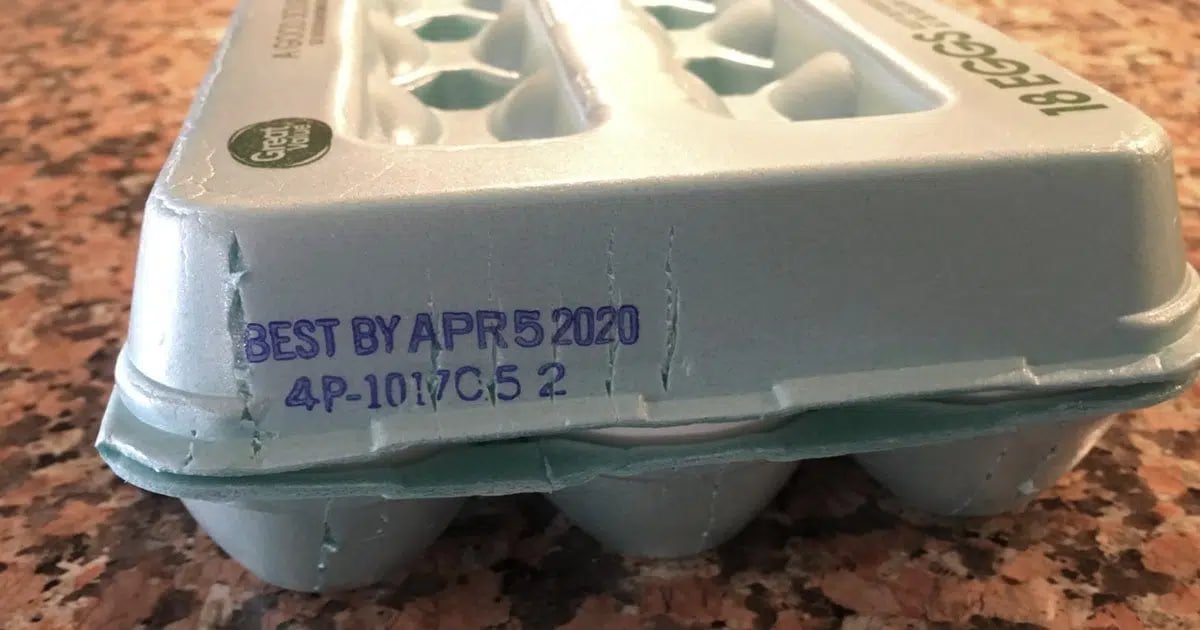
Checked the carton. Julian date was 36 days old. I mean, it wasn’t expired. But it was tired. And so was my breakfast.
Two weeks later, same brand, same method, way fresher pack date—completely different result. Fluffier, richer, smelled like brunch at a fancy diner. That’s when I was like, “Alright, I get it. I’m an egg snob now.”
So yeah, egg carton numbers. Seem boring. Are not.
The Julian date helps you figure out how fresh your eggs really are. The plant code can help you stay safe during recalls. The grade? Tells you if your eggs will behave in the pan or not. And all those marketing labels? Ah, come on. Do I even have to say more??

Next time you’re at the store and someone looks at you weirdly for inspecting eggs like they’re some kinds of.. I don’t know…diamonds?.. just nod and smile. You know something they don’t. Or maybe ignore. That’s even better.
And hey—no more accidental food poisoning. I love that for you.