So this is embarrassing. A few years back, I made a quiche for a dinner party and basically poisoned everyone. Not hospital-level bad or anything, but we all felt… off. Nausea, some suspicious gurgling noises. You get the idea. They didn’t have to go to the hospital, I still felt quite bad and uncomfortable. I was the one who made the dinner, wasn’t I.
The culprit? You guess. Eggs. But here’s a thing: they looked fine. No, really, you gotta believe me. There was nothing wrong with them, AT ALL! They weren’t expired. They didn’t smell weird. So what happened? How could I know?
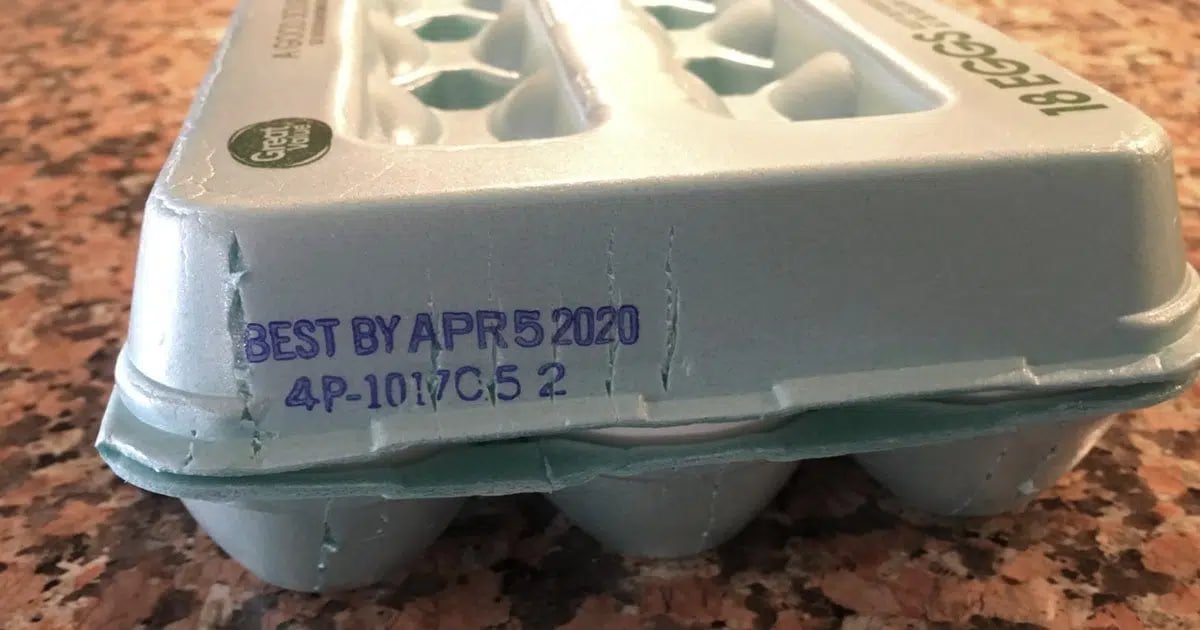
Turns out, there’s this little number printed on the side of the carton. A number I had seen approximately one million times but never actually read. Don’t tell me that you have. It looked like a code for a secret lab or something. I ignored it. Mistake. and a big one too.

Julian Date: The Nerdy Name for “Egg Birthday”
Alright, here’s what I now know: those three digits—like 045 or 312—are called the Julian date. Not a calendar app. It’s the day of the year the eggs were packed. So “001” is January 1st. “123” is May 2nd. And so on.
Why does this matter? Because the printed expiration date can be misleading. It’s usually a “sell by” date, which could be way after the eggs were actually packed. If you want to know how fresh they are, the Julian date is your truth-teller.
Now when I’m at the store, I scan for something in the last two weeks. I’ve definitely looked like a lunatic comparing cartons like they’re vintage wine. People stare. I don’t care. I’ve suffered too much.