When Should You Call an Electrician?
Although an upside-down outlet isn’t usually a problem, there are situations where professional help is appropriate.
Contact a licensed electrician if you notice:
- Burn marks around the outlet.
- Loose plugs that fall out easily.
- Cracking sounds or buzzing.
- Warm or hot outlet covers.
- Sparks during normal use.
- Frequent breaker trips.
These symptoms may indicate wiring problems unrelated to the outlet’s orientation and should be inspected promptly.
Helpful Home Safety Tips
Keeping your electrical system in good condition doesn’t require extensive maintenance, but a few simple habits can improve safety.
- Avoid overloading outlets with multiple high-powered appliances.
- Replace damaged cords immediately.
- Test GFCI outlets monthly using the built-in test button.
- Keep outlets dry in kitchens, bathrooms, and outdoor areas.
- Use outlet covers if young children live in the home.
Regular inspections and common-sense precautions can help your home’s electrical system remain safe for years to come.
Frequently Asked Questions
Why is my outlet upside down?
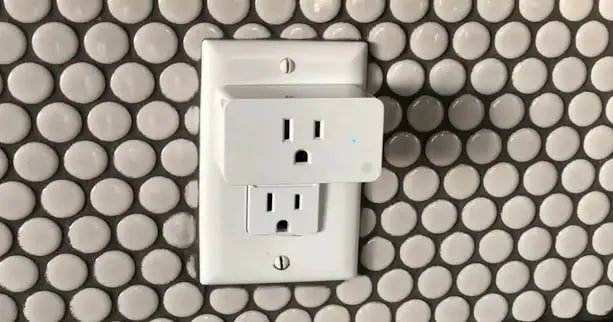
Most commonly, it serves as a visual indicator that the outlet—or one half of it—is controlled by a wall switch, although some electricians also prefer this orientation for safety reasons.
Does electrical code require outlets to be upside down?
No. The National Electrical Code does not specify whether the grounding slot must face up or down in most residential installations.
Can I rotate the outlet myself?
Replacing an outlet cover is a simple DIY task, but changing the wiring or outlet orientation should only be done after turning off the appropriate circuit breaker. If you’re unfamiliar with electrical work, it’s safest to hire a licensed electrician.
Are upside-down outlets common?
Yes. They’re especially common in older homes, offices, hospitals, schools, and commercial buildings where electricians often use them to identify switched or dedicated circuits.
Should I worry if only one outlet in my home is upside down?
Usually not. It’s often simply a design choice or a functional indicator rather than a sign of a problem.
Final Thoughts
Small details around the home often have practical stories behind them, and an upside-down electrical outlet is one of those fascinating examples.
Rather than being an installation mistake, it frequently serves as a simple visual cue that the outlet functions differently, helping homeowners identify switched receptacles or specialized circuits. In some cases, electricians also choose this orientation because they believe it offers a small safety advantage.
The next time you notice a flipped outlet, don’t assume something is wrong. Instead, consider it a reminder that even the smallest features of a home often reflect thoughtful planning and decades of practical experience.
Sometimes, the little mysteries hidden in plain sight tell the most interesting stories.