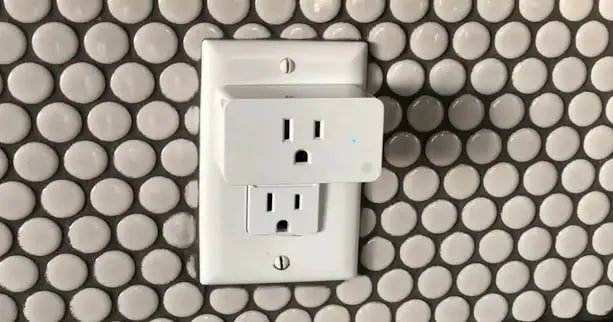
Have you ever noticed that one electrical outlet in your home looks different from all the others? Instead of the round grounding hole being at the bottom, it’s sitting at the top, making the outlet appear upside down.
At first glance, it might seem like a simple installation mistake. Many homeowners assume someone accidentally mounted the outlet the wrong way during construction or while making repairs. In reality, that’s often not the case.
An upside-down outlet is frequently installed intentionally, and in many homes it serves a useful purpose. While not required by electrical codes, this orientation has become a common practice among electricians to indicate that the outlet functions differently from standard receptacles.
Let’s explore why some outlets are installed this way, what they mean, and how they can actually make everyday life more convenient.
A Simple Visual Indicator
One of the most common reasons for installing an outlet upside down is to identify a switched receptacle.
A switched receptacle is connected to a wall switch, allowing power to be turned on or off without unplugging anything. This setup became especially popular in homes built before ceiling lights were standard in every room.
Instead of wiring an overhead fixture, builders installed a wall switch that controlled a nearby outlet. Homeowners could plug in a floor lamp or table lamp and illuminate the room simply by flipping the switch when they entered.
Although there is no national requirement that switched outlets be mounted upside down, many electricians adopted this practice as an easy visual reminder for homeowners and future service technicians.
Why Older Homes Often Have Them
Before recessed lighting and ceiling fixtures became common, many living rooms and bedrooms relied entirely on portable lamps.
Installing an overhead light required running electrical wiring through ceilings and walls, which increased construction costs. Wiring a nearby outlet to a switch offered a much simpler and less expensive solution.
This design allowed homeowners to enjoy convenient lighting while keeping construction practical.
Many historic homes still use this arrangement today, and the upside-down outlet often remains as a helpful clue that the receptacle may be switch-controlled.