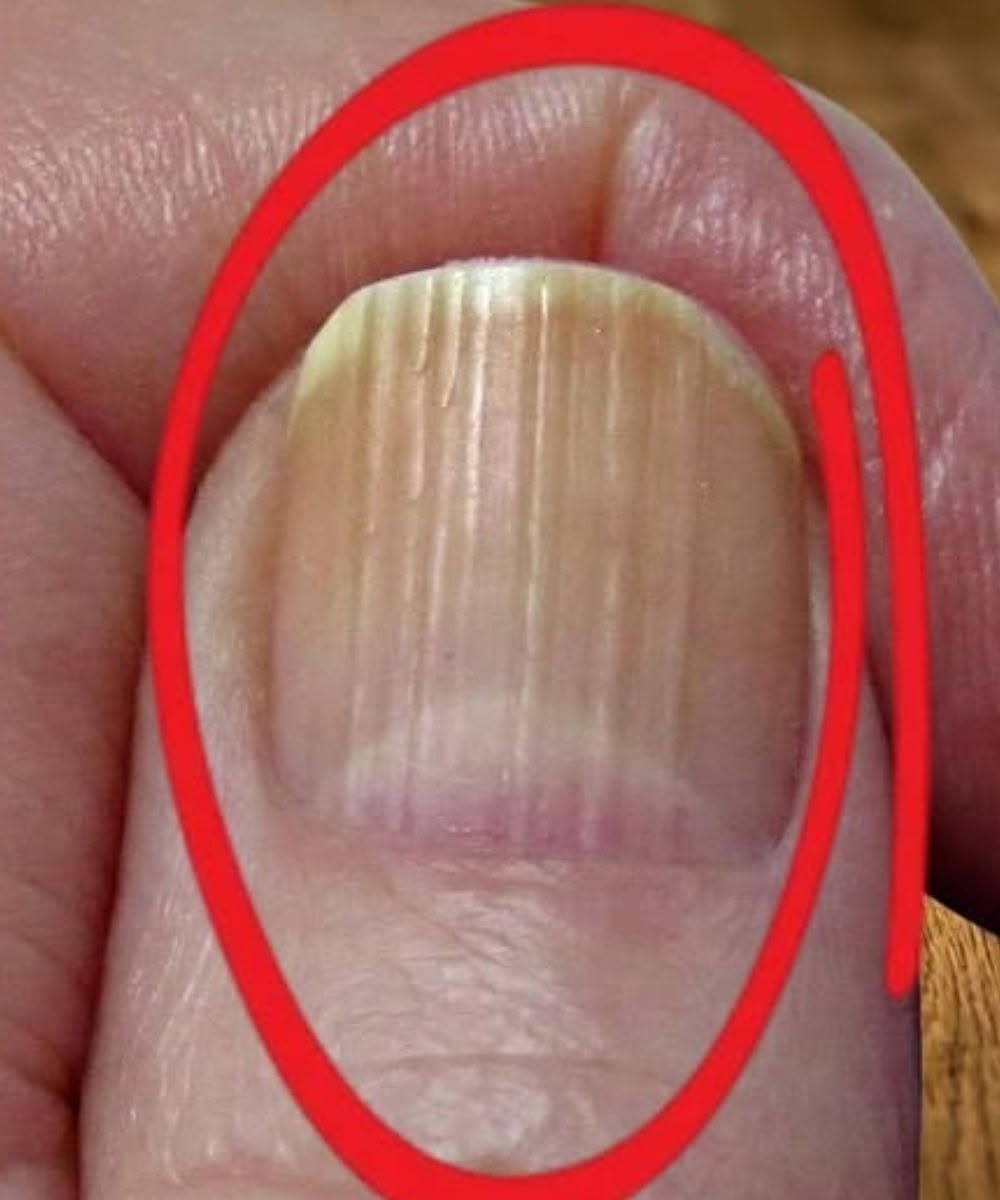
Have you ever looked closely at your nails and noticed thin vertical lines running from the base to the tip? If so, you are definitely not alone. These lines, commonly called vertical ridges or longitudinal ridges, are very common and often become more noticeable with age.
For many people, seeing changes in their nails can feel alarming at first. However, in most cases, vertical nail lines are simply a natural part of the aging process rather than a serious medical problem.
Our nails often reflect small changes happening inside the body. Just as skin develops wrinkles and hair changes texture over time, nails also evolve with age. Understanding these changes can help reduce unnecessary worry while encouraging healthy habits that support stronger nails overall.
A few years ago, I noticed faint ridges beginning to appear on my thumbnails. At first, I worried something might be wrong because my nails had always looked smooth before. I started paying closer attention to my diet, hydration, and nail care routine. After learning more about nail health, I realized these lines are extremely common, especially as people get older. That experience taught me how many normal body changes can seem frightening until we understand them better. Since then, I have become much more aware of how important simple habits like hydration and nutrition can be for maintaining healthy nails.
What Are Vertical Nail Lines?
Understanding Longitudinal Ridges
Vertical nail lines are raised ridges that travel from the cuticle upward toward the tip of the nail. These lines may appear faint at first, but they often become more visible over time.
Unlike horizontal lines across the nail, vertical ridges are usually harmless. They commonly develop gradually and naturally as part of aging.
In many cases, the ridges appear on multiple nails at once rather than only one finger. Some people notice them beginning in middle age, while others may develop them earlier depending on genetics, lifestyle, hydration, or overall nail health.
The image shown here displays a classic example of vertical nail ridges.
Why Nails Change With Age
As the body ages, natural production of important proteins and oils slowly decreases. One important protein involved in nail health is keratin.
Keratin helps keep nails smooth, firm, and strong.
Over time, reduced moisture and lower keratin production can cause nails to become thinner, drier, and more textured. That texture often appears as visible vertical lines.
Aging may also slightly reduce circulation efficiency, meaning nutrients reach the nail matrix less effectively. Since the nail matrix controls nail growth, even subtle changes can affect the nail’s appearance.
These natural changes explain why vertical ridges become increasingly common after age 40.
Are Vertical Nail Lines Ever Serious?
Most Cases Are Completely Harmless
Fortunately, vertical ridges are usually not dangerous.
In most situations, they are simply cosmetic changes linked to aging and dryness. Many healthy adults develop them over time without experiencing any medical issues.
However, the appearance of the lines can vary from person to person. Some ridges remain extremely faint, while others become more noticeable depending on genetics and nail thickness.
Because nails grow slowly, changes often happen gradually over months or years.
When You Should Pay Attention
Although vertical ridges are normally harmless, certain nail changes may deserve medical attention.
You should pay closer attention if you notice:
- Sudden deep ridges appearing quickly
- Dark streaks or unusual discoloration
- Nails becoming brittle or splitting easily
- Changes in nail shape
- Pain or swelling around the nail
These symptoms could occasionally point toward dehydration, nutritional deficiencies, fungal infections, or other health conditions.
For example, low iron levels, vitamin deficiencies, or thyroid issues can sometimes affect nail texture and appearance.
If nail changes happen suddenly or seem severe, speaking with a healthcare professional is always the safest option.