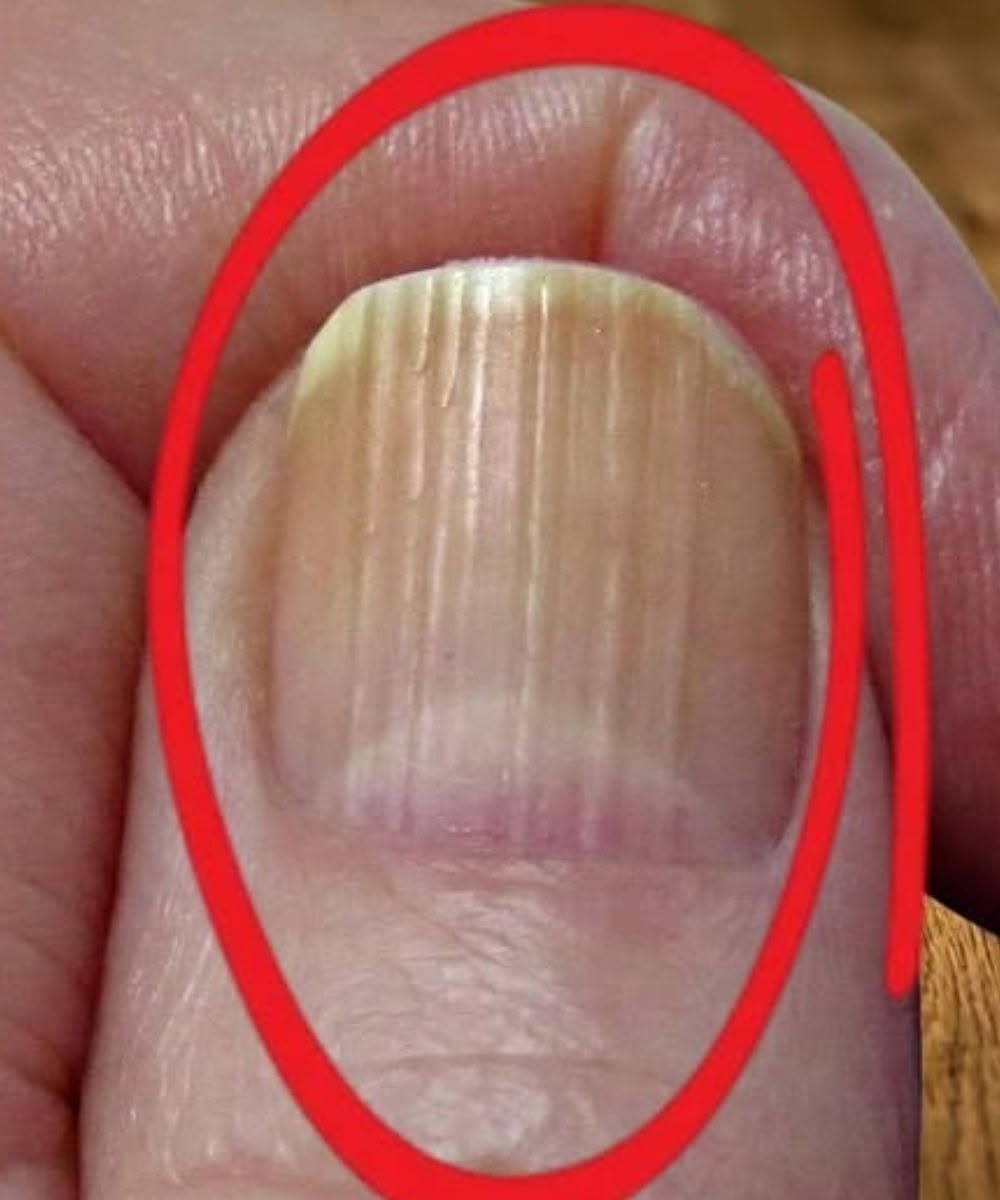
Common Causes of Vertical Nail Ridges
Aging and Dehydration
The most common cause of vertical nail ridges is simple aging combined with dryness.
As nails lose moisture, their surface may become rougher and less flexible. This creates visible ridges running vertically along the nail.
Dehydration can worsen the appearance significantly. People who frequently wash their hands, use harsh cleaning chemicals, or live in dry climates may notice nail ridges more clearly.
Cold weather can also increase nail dryness during winter months.
Nutritional Factors and Lifestyle Habits
Nutrition plays an important role in nail health.
Deficiencies in nutrients such as:
- Biotin
- Iron
- Zinc
- Protein
- Vitamin B12
can sometimes contribute to weaker or rougher nails.
Lifestyle habits also matter.
Frequent use of nail polish remover, acrylic nails, or harsh chemicals may weaken nail surfaces over time. Repeated trauma to the nail can also create uneven textures and ridges.
Stress, poor sleep, and inadequate hydration may further affect nail appearance.
How to Improve Nail Health Naturally
Simple Habits That Help
Although vertical ridges may not disappear completely, healthy habits can improve nail appearance and strength.
Some helpful steps include:
- Drinking enough water daily
- Using moisturizing hand creams
- Applying cuticle oils regularly
- Wearing gloves while cleaning
- Avoiding excessive nail buffing
Hydration remains one of the simplest yet most effective ways to support healthier nails.
Moisturized nails tend to appear smoother and stronger overall.
Eating for Stronger Nails
A balanced diet supports healthy nail growth from within.
Foods rich in protein, healthy fats, vitamins, and minerals help nourish the nail matrix and encourage stronger nail development.
Good nail-supporting foods include:
- Eggs
- Salmon
- Nuts
- Leafy greens
- Beans
- Avocados
Biotin-rich foods may be especially beneficial for improving nail strength and reducing brittleness.
Additionally, maintaining overall health often improves nail quality naturally over time.
Why Nails Reflect Overall Health
Nails Can Reveal Small Body Changes
Doctors sometimes examine nails because they can reveal subtle clues about general health.
Changes in texture, color, thickness, or growth patterns occasionally reflect internal conditions affecting the body.
However, it is important not to panic over every small change. Many nail variations are completely normal and harmless.
Vertical ridges are one of the most common examples of normal age-related nail changes.
Paying Attention Without Overreacting
The key is balance.
Paying attention to your nails can help you notice unusual changes early, but small imperfections do not automatically mean something serious is wrong.
Most people will eventually notice some degree of ridging as they age.
Understanding what is normal can prevent unnecessary fear while encouraging healthy self-care habits.
FAQ
What causes vertical lines on fingernails?
Vertical lines are usually caused by aging, dryness, and natural changes in nail growth over time.
Are vertical nail ridges dangerous?
In most cases, no. They are generally harmless and considered a normal part of aging.
Can dehydration affect nails?
Yes. Dehydration can make nails drier and cause ridges to appear more noticeable.
Should I worry about deep nail ridges?
If ridges suddenly become severe, painful, or accompanied by discoloration, it is best to consult a healthcare professional.
Can diet improve nail health?
Yes. Nutrients such as biotin, iron, zinc, and protein help support healthy nail growth.
Conclusion
Vertical lines on the nails may seem concerning at first, but they are often a completely normal part of getting older. Just like wrinkles on the skin or changes in hair texture, nails naturally change with age.
While dehydration, nutrition, and lifestyle habits can influence nail appearance, most vertical ridges are harmless and manageable through healthy daily care.
The important thing is to stay aware of major or sudden nail changes while avoiding unnecessary panic over common aging signs.
By staying hydrated, eating nutritious foods, and protecting your nails from damage, you can help keep them healthy and strong for years to come.