Movement allows trees to develop strength
Trees respond remarkably well to movement caused by wind. When a trunk begins to sway due to wind, the tree responds by developing increased structural integrity. As the trunk develops greater thickness, roots extend further down into the earth.
Natural movement is essential for the long-term structural stability of a mature tree. Without this movement, a young tree will likely remain slender. It will also remain reliant upon artificial support for an extended period of time.
Flexible ties allow limited movement
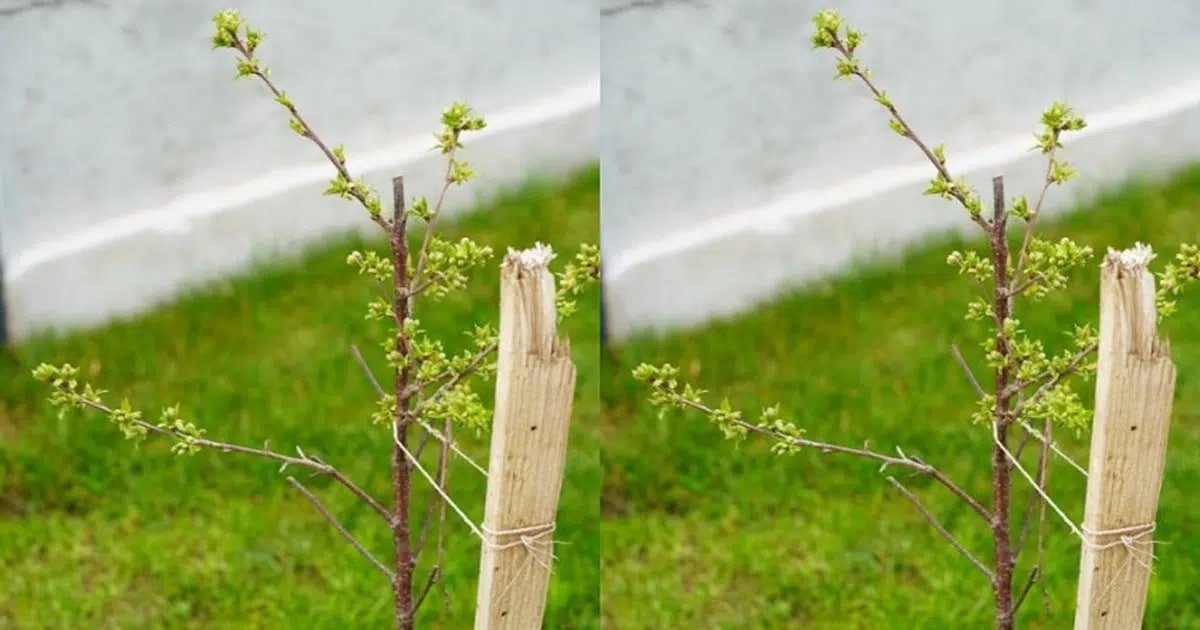
Proper tree staking will allow for limited movement of a young tree instead of locking a young trunk completely rigid. Typically, flexible ties that are secured lower on the trunk prove more effective than restrictive ties secured higher on the trunk.
Trust me when I say you want to pay attention to this particular detail. I have personally observed young trees that were strapped so tightly they had almost no movement whatsoever. Months later, the trunks were still quite slender and appeared stressed.
Common errors with staking young trees
There are numerous mistakes made when staking young trees, even with good intentions. Homeowners want to protect the young tree, so they over-support it.

A common error is securing straps too tightly around the trunk. Wires, ropes, or narrow bands may constrict the bark as the tree expands. As a result, this can lead to girdling, as the damage to the trunk increases over time.
Another mistake is keeping stakes on for too long. There are many examples of trees located near parking lots with old straps dug into the bark years after they were originally planted. At this stage, the damage caused by the strap is typically worse than any potential damage caused by wind before staking.
Securing straps too far up the trunk can also restrict development because the upper section of the trunk does not experience sufficient movement. Unyielding support systems can prevent a tree from developing strength where it is needed most.
From personal experimentation in my garden, I have found that optimal support for young trees usually consists of providing as little support as possible. At the same time, it involves allowing as much flexibility as possible for controlled movement.