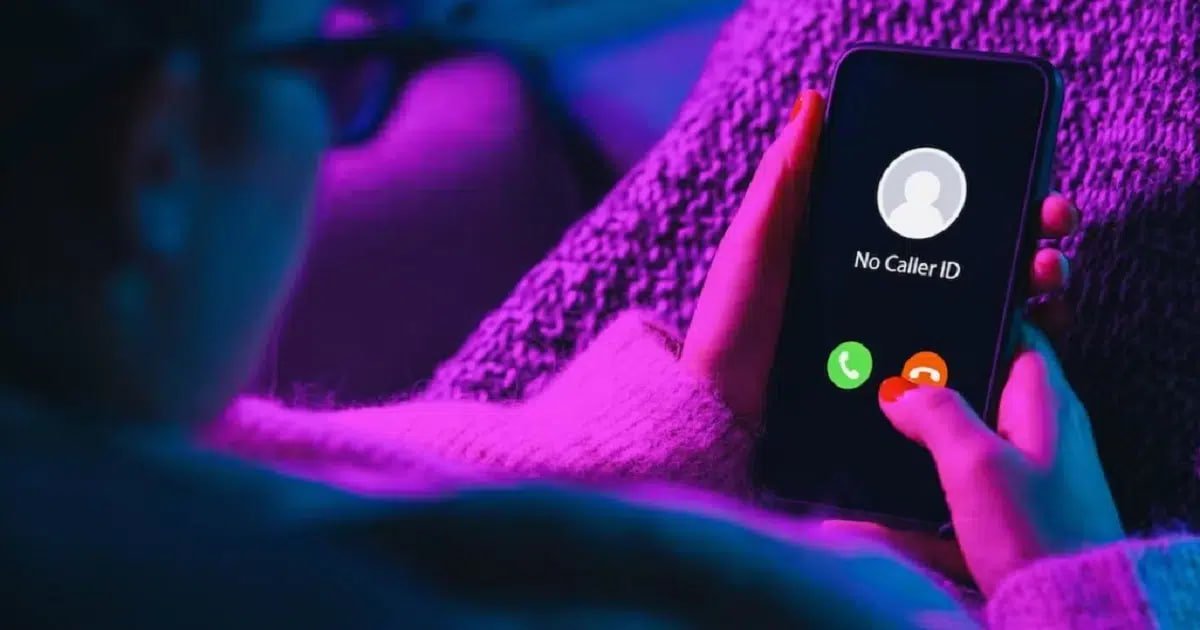
So the scenario is, it’s 2:43 a.m., your phone lights up, buzzes once , barely ringing, and then goes dead silent, no voicemail. No text. Just a sentient call from a number you don’t know. And you lie there staring at it, your brain somehow not fully awake, yet overthinking: was that real? was that important? Did someone try to call me? Did I hang up too quickly?
And here’s the thing: whatever your gut is telling you to do first—ignore it. Seriously. Don’t call back. That’s the whole trick.
Yeah, it’s a scam. Not even a particularly sophisticated one. Just shady and weird, and designed to make you act before your brain wakes up enough to catch on.
The “Can You Hear Me?” trap
Here’s how it works: you get the call—one ring, then nothing. You call back, because of course you do. You’re curious or concerned or whatever. Then someone picks up. Or you get a recording. And somewhere in there, a voice—calm, casual, seems to just be doing their job—asks: “Can you hear me?”
And you say, “Yes.”
That’s it. That’s the whole scam.
That tiny, automatic “yes”—the most normal response in the world—is what they’re after. Because that voice? It’s not always just a person on the other end. Sometimes it’s a recording. Sometimes it’s bait. Either way, they’re capturing that “yes.” Your voice, your tone. Your real-time confirmation.
Then they take that clip and use it however they want. Like slapping it on a fake consent form for some random subscription service. Or claiming you agreed to charges you never saw coming. It doesn’t matter that you weren’t intentionally saying yes to that—they’ve got the audio, and they’ll find a way to twist it.
How are they setting you up?
It’s not always “Can you hear me?” right away. Sometimes they pretend to be customer service. Or confirming a delivery. Or they start with “your account…” in a way that makes you think this could actually be legit.
Eventually, though, you’re going to get asked a question with an obvious answer. That’s what they’re waiting for.
They typically use an unfamiliar number—sometimes even international. But they’re sneaky: they’ll spoof a local area code to make it look like someone from your town. You might think, oh, maybe it’s work? A neighbor? Something important?
That little spark of urgency you feel? That’s the trap. That’s exactly what they’re counting on.