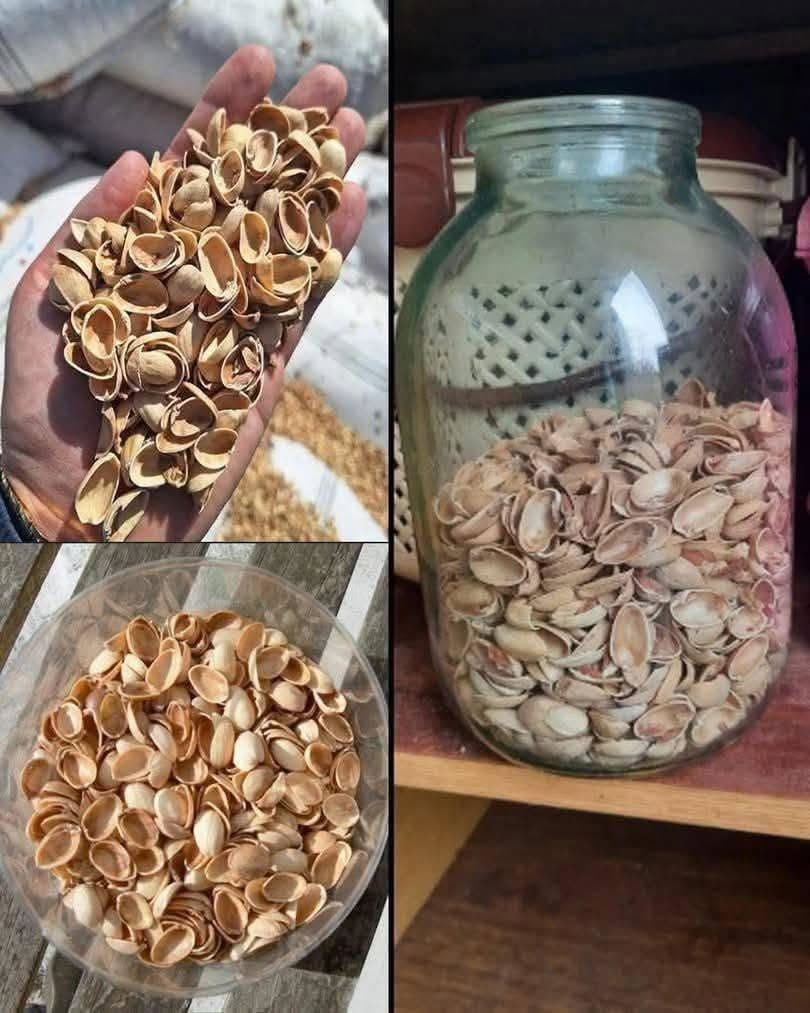
Most people don’t give pistachio shells a second thought.
After enjoying the salty, nutty snack inside, the empty shells usually end up in the trash without hesitation.
Yet for gardeners, composters, and anyone interested in reducing household waste, those discarded shells may have more value than they appear.
In fact, pistachio shells can become a surprisingly useful addition to gardens, potted plants, compost piles, and landscaping projects.
While they won’t replace every commercial soil amendment on the market, they can contribute to healthier soil, improved drainage, and a more sustainable gardening routine.
The best part?
They cost absolutely nothing.
If you already enjoy pistachios, you’re producing a potentially useful gardening material every time you open a bag.
Let’s explore how pistachio shells can be repurposed, what benefits they provide, and the safest ways to use them in your garden.
Why Pistachio Shells Deserve a Second Life
Pistachio shells are made primarily of lignin and cellulose, the same structural compounds found in wood and many plant materials.
This makes them:
- Durable
- Slow to decompose
- Resistant to compaction
- Useful for improving soil structure
Unlike soft fruit peels or vegetable scraps that break down quickly, pistachio shells persist for much longer.
That durability can be an advantage when used correctly.
Many gardeners are constantly searching for materials that improve soil aeration while helping maintain a healthy growing environment.
Pistachio shells can contribute to those goals while keeping waste out of landfills.
The First and Most Important Step: Remove the Salt
Before using pistachio shells outdoors, one issue must be addressed.
Salt.
Many commercially sold pistachios are heavily salted.
Excess salt can damage plant roots and negatively affect soil health.
If the shells came from unsalted pistachios, this step is largely unnecessary.
However, if the shells came from salted varieties, they should be thoroughly rinsed before use.
How to Desalinate Pistachio Shells
A simple process works well:
- Place shells in a large bowl.
- Rinse thoroughly under running water.
- Cover with fresh water.
- Allow them to soak for 12–24 hours.
- Change the water once or twice during soaking.
- Drain completely.
This process removes much of the surface salt and makes the shells safer for garden applications.