Drying the Shells Properly
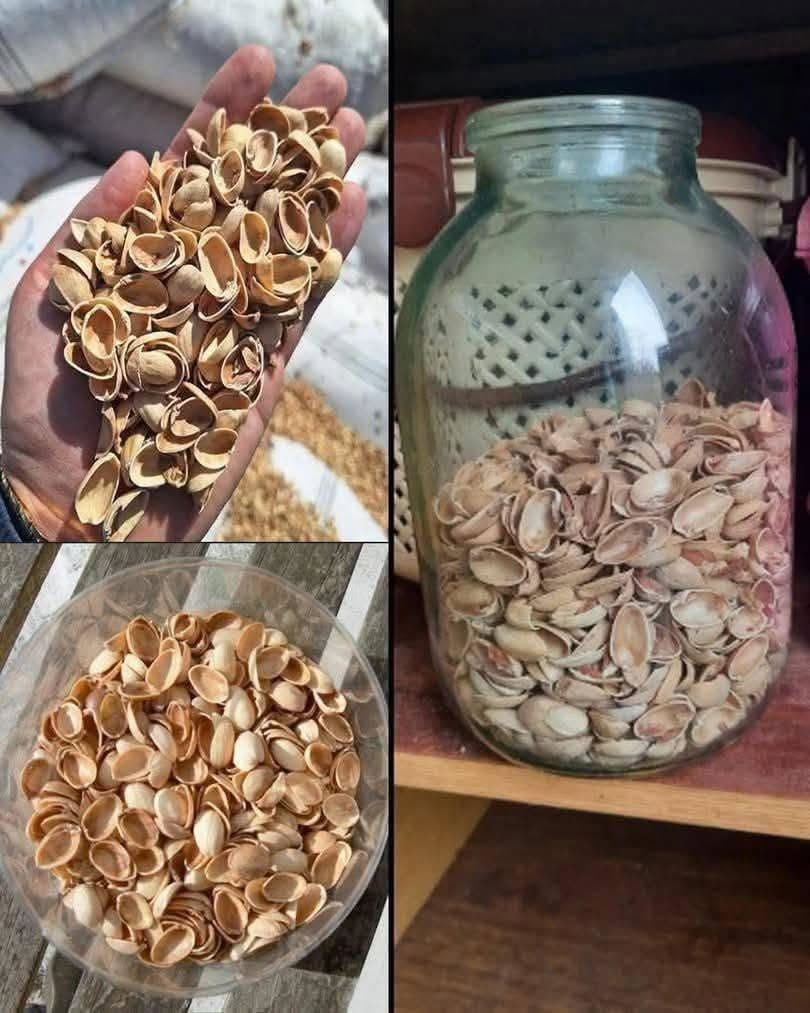
After soaking, the shells must be dried thoroughly.
Moist shells are difficult to grind and may develop mold during storage.
Sun Drying
Spread the shells in a single layer outdoors.
Allow them to dry for several days in direct sunlight.
Oven Drying
For faster results:
- Spread shells on a baking sheet.
- Use a low temperature.
- Dry until they become brittle.
Complete drying makes further processing easier and improves shelf life.
Whole Shells vs. Ground Shells
Gardeners can use pistachio shells in several different forms.
Each has its own advantages.
Whole Shells
Best for:
- Mulching
- Decorative pathways
- Weed suppression
- Moisture retention
Crushed Shells
Best for:
- Drainage improvement
- Compost enhancement
- Slug barriers
Ground Shell Powder
Best for:
- Soil amendment
- Potting mix enhancement
- Faster decomposition
The ideal choice depends on the intended application.
Can Pistachio Shells Replace Perlite?
Some gardening articles compare crushed pistachio shells to perlite.
While the comparison isn’t entirely accurate, there are similarities.
Perlite is a lightweight volcanic material designed to improve aeration and drainage.
Crushed pistachio shells can also create air pockets within soil.
However, there are important differences:
| Feature | Perlite | Pistachio Shells |
|---|---|---|
| Weight | Very light | Heavier |
| Decomposition | Does not decompose | Breaks down slowly |
| Water retention | Moderate | Moderate |
| Sustainability | Mined product | Recycled household waste |
Pistachio shells won’t completely replace perlite in every situation, but they can provide similar benefits in certain applications.