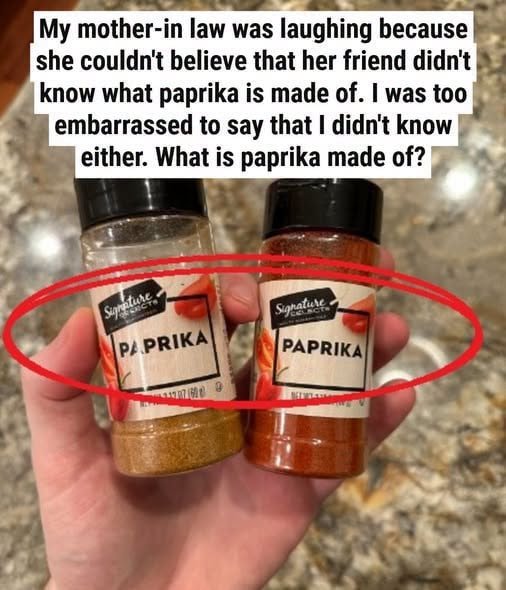
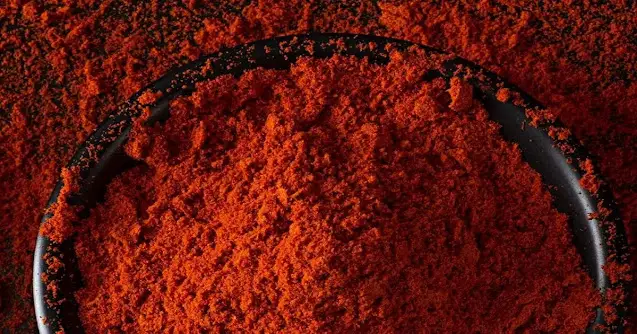
One of the first things people notice about paprika is its brilliant color. From deep crimson to bright orange-red, paprika has a way of making even the simplest dish look more appetizing.
That vibrant hue comes naturally from pigments called carotenoids, which develop as peppers fully ripen on the plant. Instead of harvesting the peppers while they’re green, farmers allow them to mature until they reach a rich red color. At that stage, they contain more natural sugars and the pigments responsible for paprika’s signature appearance.
Once harvested, the peppers are washed, dried, and ground into a fine powder. Depending on the variety, the seeds and inner membranes may be removed before grinding to produce a sweeter, milder spice. For hotter paprikas, more of the pepper is left intact, resulting in extra heat and a bolder flavor.
Why Paprika Tastes Different Around the World
Although paprika is made from peppers, not every paprika tastes the same. Climate, soil, pepper variety, and drying methods all influence the final flavor.
Hungarian paprika is famous for its sweet, mellow taste and vibrant color. It plays a starring role in traditional dishes like goulash and chicken paprikash, where the spice contributes both flavor and color without overwhelming heat.
Spanish paprika, known as pimentón, often has a completely different personality. Many varieties are dried slowly over smoldering oak wood, giving the spice a rich smoky aroma that instantly transforms soups, roasted vegetables, grilled meats, and rice dishes.
Meanwhile, other countries produce their own versions using local pepper varieties, creating everything from mild and fruity powders to bold, spicy blends.
More Than Just a Garnish
Many people think of paprika as the spice sprinkled over deviled eggs before serving, but it deserves much more credit than that.
A spoonful added to soups creates warmth without making the dish overly spicy. It deepens the flavor of stews, enhances homemade barbecue rubs, and gives roasted potatoes a beautiful golden-red finish.
Paprika also pairs wonderfully with chicken, seafood, rice, beans, eggs, and creamy sauces. Even a small amount can brighten both the appearance and flavor of a meal.
For cooks who enjoy experimenting, combining sweet paprika with garlic powder, onion powder, black pepper, and a touch of cumin creates a versatile seasoning blend that works on everything from grilled vegetables to roasted chicken.
Can You Make Paprika at Home?
Absolutely.
If you grow sweet red peppers in your garden, making homemade paprika can be a rewarding project. Allow the peppers to ripen completely until they’re deep red. After harvesting, dry them thoroughly using a food dehydrator, an oven on a very low setting, or by hanging them in a warm, well-ventilated place until they become brittle.
Once fully dried, simply grind them into a fine powder using a spice grinder or food processor. Sift the powder if you prefer a smoother texture, then store it in an airtight container away from light and heat.
Homemade paprika often has a brighter aroma than older store-bought spices, making it an enjoyable way to appreciate just how fresh this simple ingredient can be.