A Small Spice with a Big Story
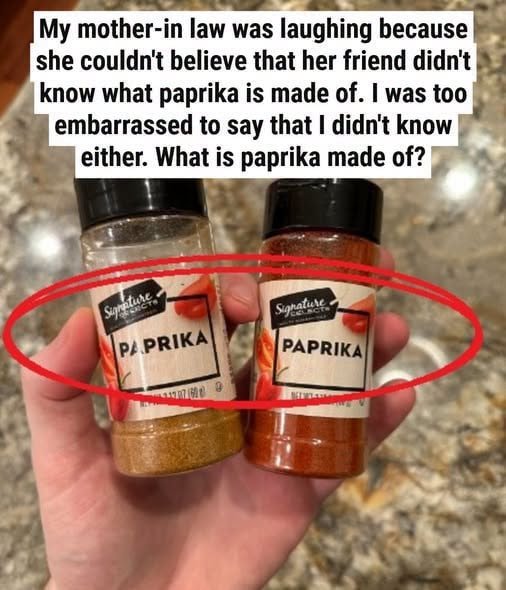
It’s funny how one simple internet post can completely change the way we look at an everyday ingredient.
For years, countless people sprinkled paprika over their favorite meals without ever wondering where it came from. Some imagined a special paprika plant, while others never gave it a second thought. The reality is much simpler—and perhaps even more fascinating.
Every jar of paprika begins as an ordinary pepper growing under the sun. With patience, careful drying, and a little craftsmanship, those peppers become one of the world’s most beloved spices.
Sometimes the most interesting discoveries aren’t hidden in complicated scientific facts or rare ingredients. They’re found in the familiar items sitting quietly in our own kitchens, waiting for us to take a closer look.
So the next time you open that little red jar, you’ll know exactly what you’re holding: not the product of a mythical paprika tree, but the colorful result of ripe peppers, centuries of tradition, and a spice that continues to bring warmth, flavor, and vibrant color to tables around the world.
From Garden to Spice Rack: How Paprika Is Made
Making paprika may sound like a complicated process, but it begins with something wonderfully simple—a field full of peppers.
Farmers carefully select pepper varieties based on the flavor they want to create. Some peppers are naturally sweet and mild, while others contain more heat. Throughout the growing season, the plants receive plenty of sunshine, which helps develop the sugars, aromas, and vibrant red pigments that make paprika so distinctive.
Once the peppers are fully ripe, they’re harvested by hand or machine. Timing is important because peppers picked too early won’t have developed their full sweetness or color. After harvesting, they’re cleaned and sorted before moving on to the drying stage.
Drying is where the transformation truly begins. In many regions, peppers are spread out under the sun, allowing warm air to slowly remove their moisture. Other producers use dehydrators or specially designed drying rooms for consistent results. In Spain, some traditional producers slowly smoke the peppers over oak wood, creating the rich, smoky flavor found in smoked paprika.
After the peppers have completely dried, they’re crushed and finely ground. Depending on the style of paprika being produced, the stems, seeds, and inner membranes may be removed before grinding to achieve a smoother, sweeter flavor. The finished powder is then sifted and packaged, ready to find its way into kitchens around the world.
Common Myths About Paprika
The internet has helped spread countless food myths, and paprika has become one of the latest ingredients surrounded by surprising misconceptions.
Myth: Paprika Comes From a Special “Paprika Plant”
This is easily the most common misunderstanding.
There isn’t a separate paprika tree or unique paprika plant. Paprika simply comes from certain varieties of ripe red peppers that are dried and ground into powder.
Myth: Paprika Is Always Spicy
Many people assume paprika adds significant heat to food because it’s made from peppers.
In reality, most grocery store paprika is sweet or mild. Its purpose is usually to add color and gentle flavor rather than intense spiciness. If you’re looking for heat, you’ll want hot paprika or cayenne pepper instead.
Myth: All Paprika Tastes the Same
Taste varies enormously depending on where the peppers were grown and how they were processed.
Sweet Hungarian paprika offers a mellow, slightly fruity flavor. Spanish smoked paprika has deep smoky notes. Hot paprika adds noticeable spice, while specialty varieties may have earthy or slightly bitter characteristics.
Why Fresh Paprika Makes Such a Difference
Unlike salt, paprika gradually loses its flavor as it ages.
The aromatic oils responsible for its sweet, peppery aroma slowly fade over time, especially when the spice is exposed to heat, sunlight, or moisture.
That’s why chefs often recommend replacing paprika every six to twelve months if you cook regularly.
A fresh jar should have a bright red color and a pleasant, earthy aroma. If the powder has turned dull brown or barely smells like anything at all, it has probably lost much of its flavor.
Proper storage also makes a difference. Keeping paprika in an airtight container inside a cool, dark cabinet helps preserve both its color and taste for much longer.
Fun Facts You May Not Know About Paprika
Paprika has a surprisingly fascinating history.
- Hungary considers paprika one of its national spices, and it plays an essential role in many traditional recipes.
- The brightest red paprika is often produced from peppers harvested at peak ripeness.
- Smoked paprika gets its signature flavor from peppers dried over wood fires, not from adding artificial smoke flavoring.
- Paprika is used not only in savory dishes but also in spice blends, marinades, sauces, and even some snack seasonings.
- Different harvests can produce slightly different flavors depending on weather conditions during the growing season, much like wine grapes or coffee beans.
The Beauty of Everyday Ingredients
One of the most enjoyable parts of cooking is realizing that extraordinary flavors often come from the simplest ingredients.
Paprika doesn’t require exotic plants, secret recipes, or rare harvesting techniques. Instead, it represents centuries of people learning how to preserve the harvest and make the most of what nature provides.
Perhaps that’s why this little red spice continues to surprise people. We become so familiar with the finished product that we forget it began as something growing in a garden under the summer sun.
The next time you season roasted vegetables, sprinkle paprika over deviled eggs, or stir it into a hearty stew, you’ll know the story behind that vibrant red powder. It’s not the product of a mythical tree or an unusual plant hidden away somewhere in the world.
It’s simply a humble pepper—carefully grown, patiently dried, thoughtfully ground, and transformed into one of the most beloved spices found in kitchens across the globe.