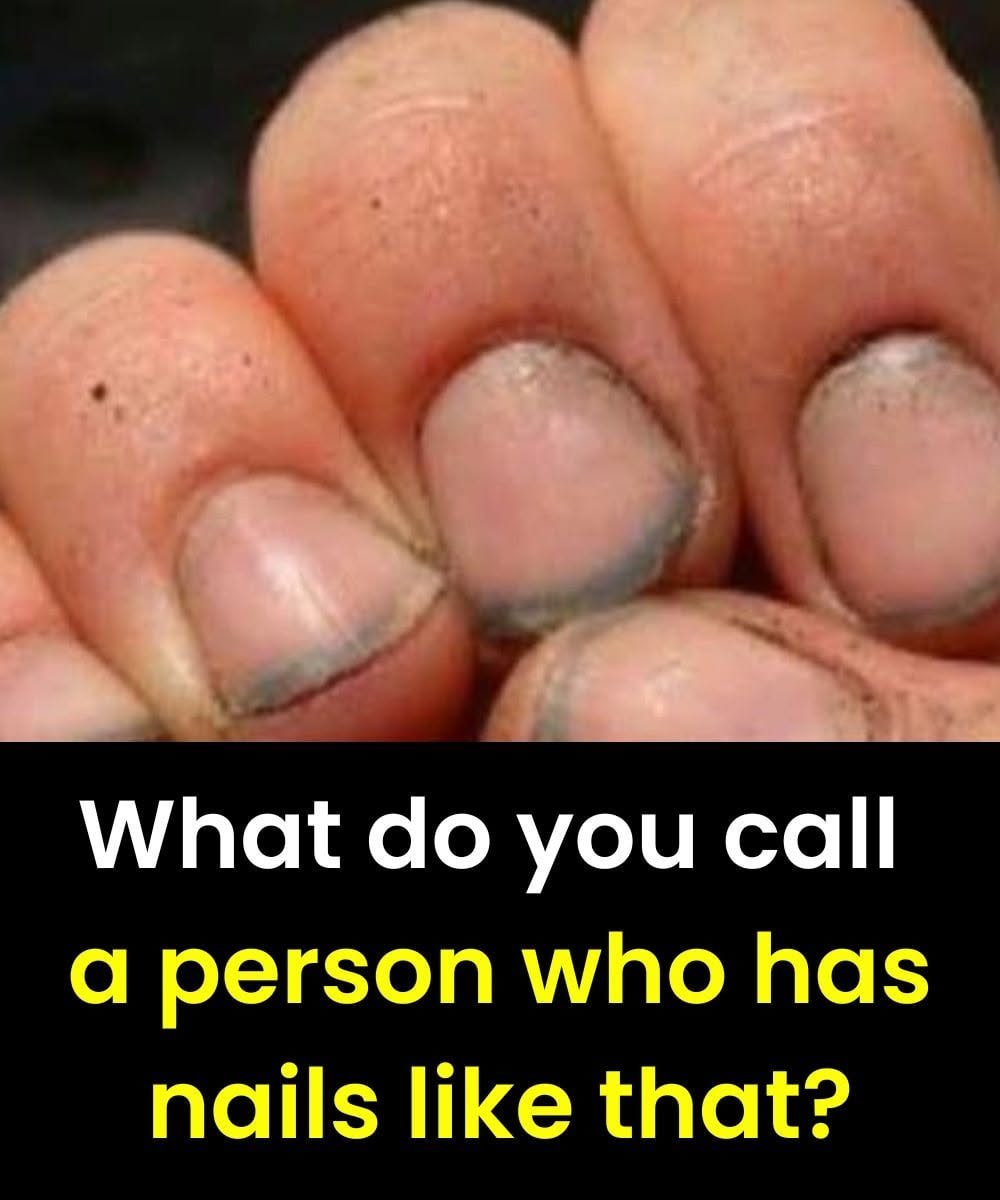
Your fingernails can reveal more than most people realize. Changes in nail color, texture, or shape sometimes happen because of harmless everyday causes, while other times they may signal underlying health conditions worth paying attention to.
In the image above, the nails appear darker or bluish near the tips. While that appearance can occasionally result from dirt, staining, cold temperatures, or minor injury, persistent blue or gray discoloration should not be ignored.
What Causes Bluish or Dark Nails?
Several common conditions may affect nail color.
1. Poor Oxygen Circulation
Bluish nails can happen when blood is not carrying enough oxygen throughout the body.
Possible causes include:
- cold exposure
- circulation problems
- lung conditions
- heart-related issues
This condition is sometimes called cyanosis.
People may also notice:
- cold fingers
- shortness of breath
- fatigue
- dizziness
2. Smoking
Long-term smoking may darken nails and fingertips because of nicotine staining and reduced circulation.
Heavy smoking can also affect oxygen delivery throughout the body, which may contribute to bluish nail tones over time.
3. Dirt, Chemicals, or Occupational Exposure
People who work with:
- grease
- machinery
- chemicals
- dyes
- paint
- soil
may develop temporary discoloration under or around the nails.
Usually, the staining improves with cleaning or nail growth.
4. Nail Trauma
A bruise beneath the nail from injury may appear:
- blue
- purple
- black
- dark red
This is called a subungual hematoma.
Minor injuries often heal naturally as the nail grows out.
5. Fungal Infections
Certain fungal infections may cause nails to become:
- yellow
- brown
- gray
- thickened
- brittle
These infections are common and treatable.
6. Medication Side Effects
Some medications may darken nails, including:
- chemotherapy drugs
- certain antibiotics
- antimalarial medications
Always discuss unusual nail changes with a healthcare provider if you recently started a new medication.