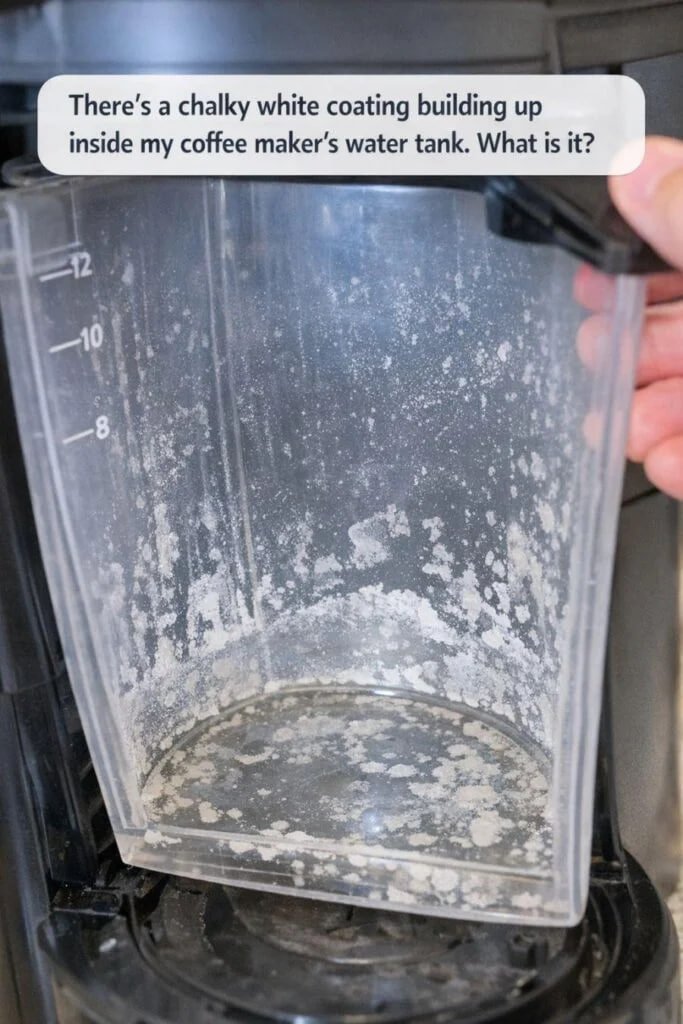
to prevent limescale buildup in the future. If your tap water is hard, consider using filtered or bottled water. This will reduce the amount of minerals that cause limescale buildup. Empty the water tank after each use and allow it to air dry to prevent mineral buildup.
Another simple way is to wipe the inside of the water tank with a clean, damp cloth after use. This will remove any mineral deposits before they can harden. Regular care and maintenance can extend the life of your coffee maker and keep it in top condition.
10. When limescale buildup means it’s time to replace your coffee maker
If limescale buildup is neglected for too long, it can cause irreversible damage to your coffee maker. Signs of limescale buildup include persistent performance issues, such as irregular brewing times, fluctuating temperatures, or leaks.
If multiple descaling attempts don’t get your machine working again, it may be time to consider replacing it. Frequent breakdowns or repairs can be more expensive than investing in a new coffee maker, especially if the internal components are severely damaged.
11. How to Prevent Limescale at the Source with Filters and Softer Water
Investing in a water filter can significantly reduce the hardness of the water you use in your coffee maker. There are many household filtration systems available, from tap filters to whole-house softeners. These systems can lower the mineral content of your water and reduce limescale buildup.
If installing a filtration system isn’t an option, using pre-filtered or distilled water in your coffee maker can also help. While this may be more expensive than tap water, it can prevent limescale buildup and keep your coffee maker running smoothly for longer. Regular maintenance combined with these preventative measures can effectively manage and even eliminate scale problems.