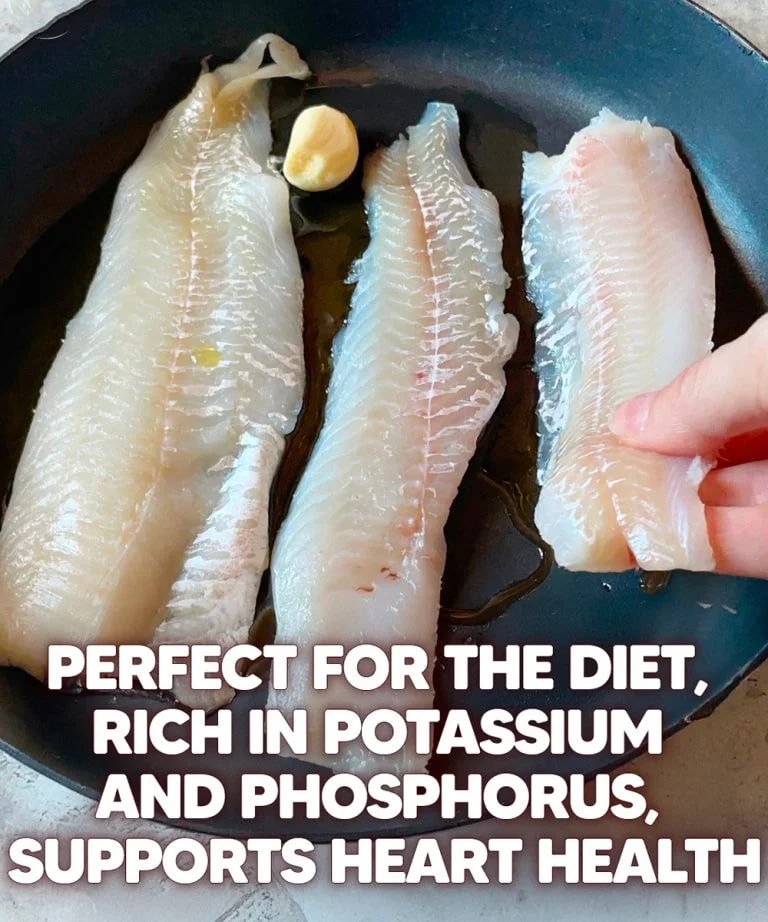
Its meat is white, lean and tender, making it easy to use in a variety of recipes. However, the benefits do not end there, as cod is easily digestible, low in calories and rich in omega-3 fatty acids, which are beneficial for the body.
Cod is one of the most widely consumed and popular fish, valued for its versatility and its importance in simple but tasty dishes. It belongs to the Gadidae family and includes two main species: Gadus morhua, commonly known as Atlantic or common cod and native to the Atlantic Ocean and the North Sea, and Gadus macrocephalus, often called Pacific or gray cod and found in the Pacific Ocean and off the coast of Alaska. Both species are used to produce baccalà, a salt-cured cod, while air-dried Gadus morhua is known as kapa fish, a specialty of the Norwegian Lofoten Islands. Nutritionally, cod – whether fresh or frozen – is well-suited to a balanced diet for children, adults and the elderly, thanks to its light texture, low calorie content and numerous health benefits.
Properties and benefits of cod
Cod is a white-fleshed fish known for its mild flavor and soft, delicate texture. It contains no fiber, sugars or carbohydrates and only small amounts of fat. A typical 100-gram serving contains approximately 0.67 grams of fat, 17.81 grams of protein and approximately 82 calories. In addition, cod contains valuable vitamins, minerals and omega-3 fatty acids that support overall health. Below are some of its main benefits.
Cod provides high-quality, complete protein, containing all essential amino acids and less than 1% fat. This makes it an ideal choice for a low-calorie diet. It is easily digestible and helps support muscle growth and maintenance, making it particularly beneficial for children, the elderly and physically active people.
A good source of B vitamins: especially B3 (niacin 2.063 mg / 100 g), B1 (thiamine 0.076 g) and B2 (riboflavin 0.075 mg), but also B6, B12 and folate (B9). Together, they play a key role in energy metabolism, the proper functioning of the nervous and digestive systems: they also help maintain the correct psychophysical balance and improve mood.
It provides important minerals: above all potassium, which helps regulate blood pressure, the kidneys eliminate excess fluid and is a friend of the muscles. Secondly, phosphorus, a friend of bones and teeth, is present. Also of interest are iodine, which promotes the production of thyroid hormones, and selenium, which fights free radicals thanks to its antioxidant effects.
Support for cardiovascular health: The omega-3 fatty acids in cod – especially EPA and DHA – are particularly valuable and should not be overlooked. They offer several health benefits, such as helping to lower blood triglycerides, lower blood pressure and reduce the risk of strokes and heart attacks. They also help to balance the relatively high sodium content typical of marine fish.
Contraindications