Watkins Inc. Enters the Conversation
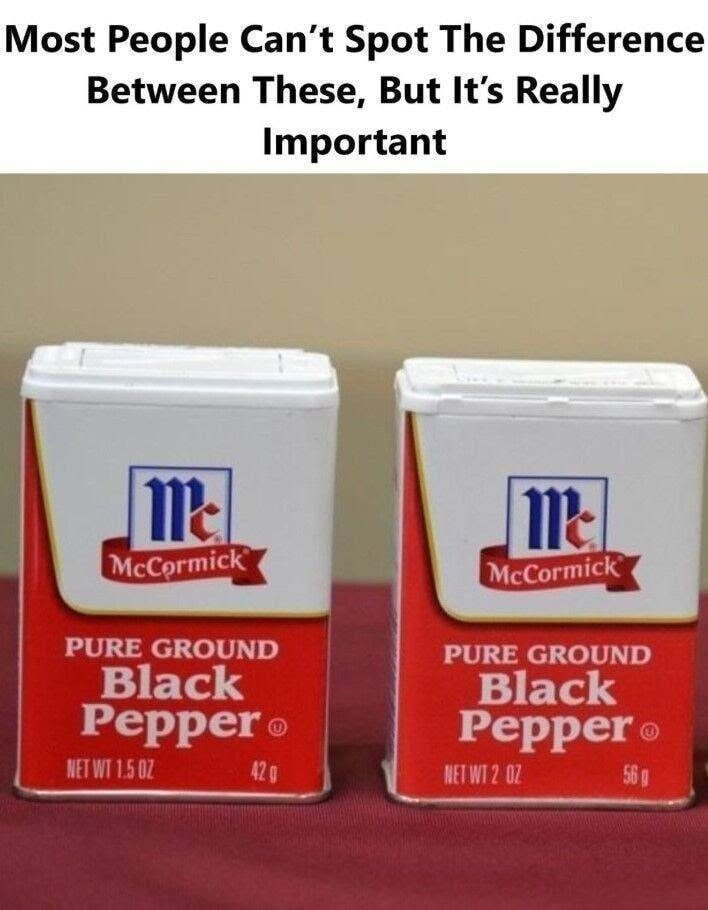
Watkins Inc., a smaller spice company known for its transparency-focused branding, has publicly criticized what it calls “deceptive downsizing.” Unlike McCormick’s opaque tins, Watkins sells pepper in clear glass jars that allow customers to see exactly how much product they are buying.
The company argues that consumers should not have to read fine print to understand value. According to Watkins, visibility is honesty—and packaging should reflect reality at a glance.
By calling attention to McCormick’s downsizing, Watkins is positioning itself not just as a spice brand, but as a consumer advocate in an era of rising prices and shrinking portions.
Legal vs. Ethical Transparency
McCormick has followed labeling laws by listing the correct net weight. From a regulatory perspective, the company is compliant.
The controversy lies in ethics rather than legality.
Many consumers feel that maintaining the same container size while reducing contents crosses an unspoken line. The argument is not that the information is hidden, but that it is easy to overlook—especially when shoppers are rushed or accustomed to trusting long-standing brands.
This raises an important question: Is disclosure enough, or should packaging clearly reflect quantity through size and visibility?
Why This Debate Resonates With Consumers
The pepper tin issue resonates because it reflects a broader trend across the food industry. From cereal boxes to snack bags, consumers are seeing less product for the same price.
Spices, however, feel personal. They are staples, used daily, and often trusted for consistency over decades. A change in something as simple as pepper can feel like a breach of that trust.
For many shoppers, this is not about six ounces versus eight ounces. It is about feeling respected as a customer.
The Power of Packaging Design
Packaging is more than a container. It communicates value, honesty, and brand identity.
Clear containers signal transparency and confidence. Opaque containers can feel neutral—or, in cases like this, intentionally vague. As consumers become more aware of shrinkflation, packaging choices are increasingly seen as ethical statements.
Brands that prioritize clarity may gain loyalty, even if their products cost slightly more.
What Consumers Can Do
Consumers are not powerless in this debate. Simple habits can help protect against misleading impressions:
- Read net weight labels carefully
- Compare price per ounce instead of package price
- Support brands that prioritize transparent packaging
- Speak up through reviews or customer feedback
Awareness is often the strongest tool.
Final Thoughts
The pepper shaker dilemma is about more than spices. It is a reflection of a larger shift in how companies balance rising costs with consumer trust.
McCormick’s downsizing may be legal, but the reaction shows that legality does not always equal acceptance. Watkins’ response highlights a growing demand for transparency, visibility, and honesty in everyday products.
In a world where small changes can quietly add up, consumers are paying closer attention. And sometimes, a tiny pepper tin can spark a very big conversation.