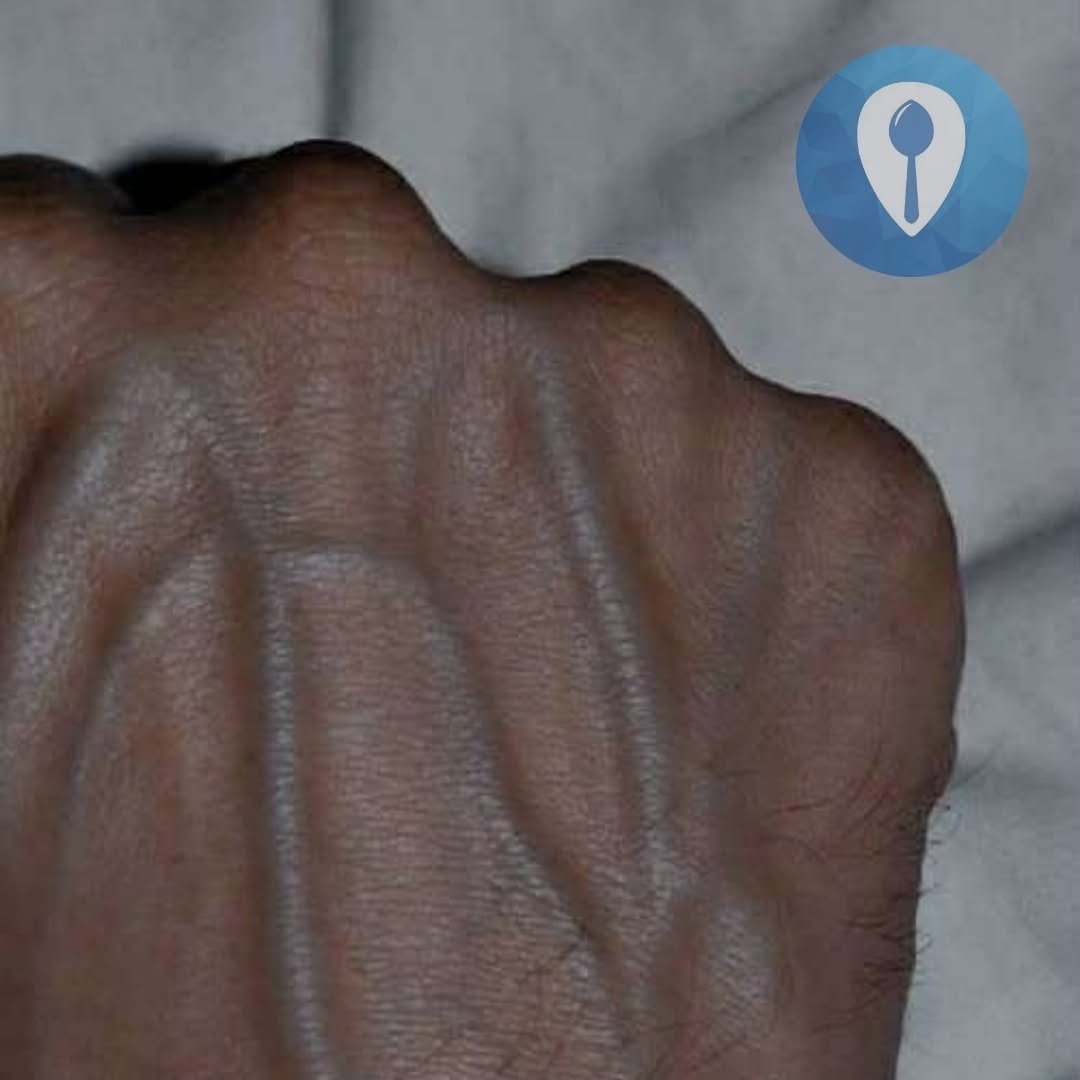
Our hands are among the most expressive and revealing parts of our body. Beyond gestures, they carry subtle cues about our health, circulation, and even our lifestyle. One common observation many notice over time is the visibility of veins on the hands—those delicate blue or green lines tracing beneath the skin.
While some people may feel alarmed at first glance, the truth is reassuring: prominent hand veins are usually normal and reflect natural physiological factors. Understanding why they appear and when to be mindful can help you interpret these signs without unnecessary worry.
Why Veins Become More Visible
Veins carry deoxygenated blood from the extremities back to the heart. In the hands, these vessels are relatively close to the skin, which is naturally thin compared to other areas of the body. Several factors contribute to the visibility of these veins:
1. The Natural Shift of Aging
As we age, the skin undergoes several changes:
- Loss of collagen and elasticity: Collagen is the structural protein that maintains skin firmness. Reduced collagen makes skin thinner and less supportive of underlying structures.
- Thinning subcutaneous fat: Fat acts as a cushion, hiding veins from view. As it decreases with age, veins become more pronounced.
- Cumulative sun exposure and hand use: Hands are frequently exposed to sunlight and daily activity, accelerating these changes compared to less-exposed areas like the torso.
Visible veins on aging hands are therefore a common and benign marker of the natural maturation process.
2. Fitness and Body Composition
Athletes, fitness enthusiasts, and lean individuals often notice prominent veins. This phenomenon, sometimes referred to as vascularity, occurs because:
- Low body fat leaves veins closer to the surface.
- Exercise temporarily increases blood flow, expanding veins to deliver oxygen efficiently.
- Repeated training may strengthen circulation, making veins more noticeable over time.
Prominent veins in this context reflect healthy circulation and cardiovascular conditioning—not a medical problem.
3. Temperature and Hydration
Veins respond dynamically to environmental and internal conditions:
- Heat: Blood vessels dilate in warm environments to help release heat. Dilated veins are more visible on the skin’s surface.
- Cold: Blood vessels constrict in colder temperatures, often making veins less noticeable.
- Hydration: Mild dehydration reduces blood volume slightly, causing veins to appear more defined. Rehydration returns them to baseline.
These changes are temporary and should not cause concern.
4. Genetics and Skin Tone
Inherited traits play a major role in vascular visibility:
- Lighter skin tones create higher contrast with blue or green veins.
- Thin or delicate skin naturally exposes vascular structures.
- Family patterns often dictate the prominence of veins—if parents or siblings have visible hand veins, you likely will too.