In such cases, it is advisable to consult a professional to diagnose and fix the problem before it leads to complete failure of the appliance.
Viral Coil Cleaning Tips That Actually Work
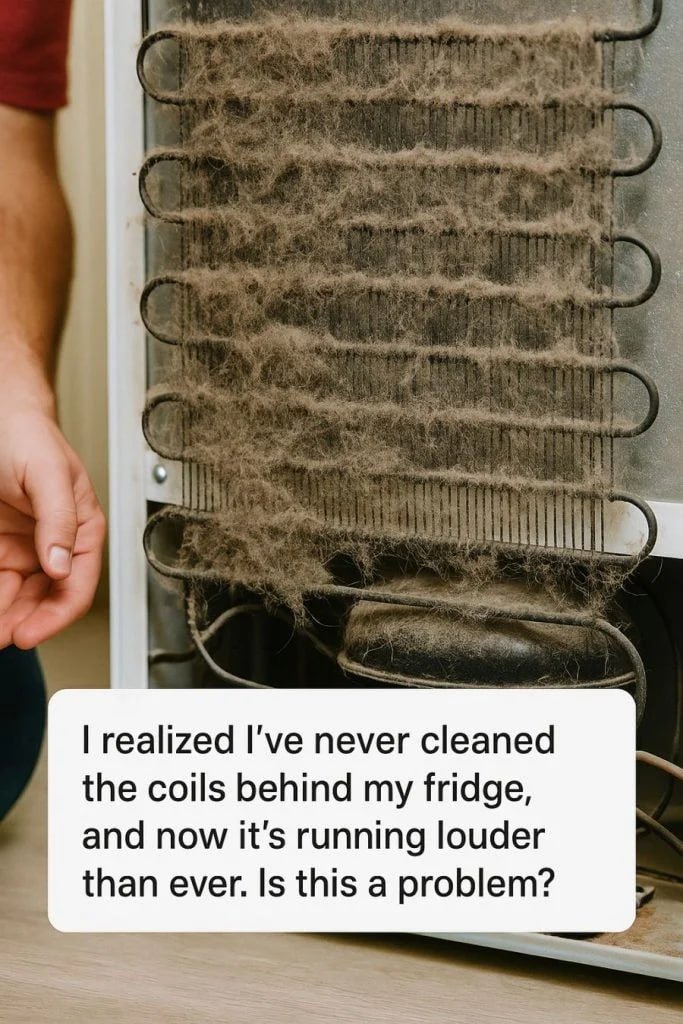
Several viral tricks have gained popularity due to their effectiveness in cleaning refrigerator coils. One such method is to use a vacuum cleaner and a hose attachment to remove loose dust and debris. For more stubborn dirt, you can gently scrub the coils with a coil cleaning brush.
Another effective trick is to use compressed air to blow dirt out of hard-to-reach places. However, it is important to make sure that the refrigerator is unplugged before cleaning to avoid electrical hazards.
A step-by-step guide to safely cleaning refrigerator coils
1. Unplug the refrigerator from the outlet to ensure safety.
2. Locate the condenser coils, which are usually located at the back or bottom of the appliance.
3. Remove dirt and debris from the coils using a coil cleaning brush or by vacuuming with a hose.
4. For a thorough cleaning, wipe off any remaining dust with a damp cloth. Make sure the coils are completely dry before plugging your fridge back in.
5. Check and clean your coils regularly every 6 to 12 months to maintain optimal performance.
How often do experts say you should clean your coils
Experts recommend cleaning your fridge’s condenser coils at least every 6 to 12 months. The frequency of cleaning may depend on your household environment, such as whether you have furry pets or if your fridge is in a particularly dusty location.
Regular cleaning will help maintain the efficiency of your appliance, extend its lifespan, and reduce the likelihood of unexpected failures.
When it’s time to call a professional—or replace your fridge altogether
If cleaning the coils doesn’t solve the noise problem, or if your fridge is still not working properly, it may be time to call a professional technician. They can diagnose more complex problems that require specialized tools or expertise.
If your refrigerator is old and frequently has problems, it may be more cost-effective to replace it with a newer, more energy-efficient model. Investing in a new appliance can save you money in the long run by reducing repair costs and energy consumption.
I realized I've never cleaned the coils behind my refrigerator and now it's running louder than ever. Is this the problem?