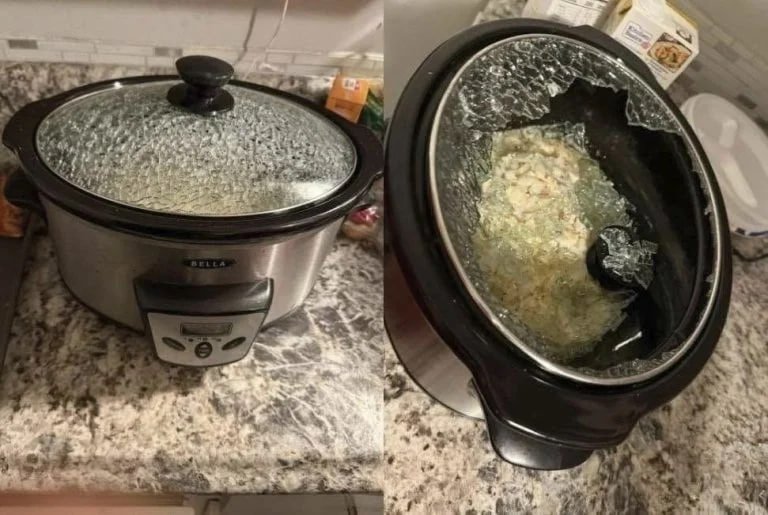
I was so proud of myself. I had found a “healthy” chicken quinoa recipe. I threw everything in the Crock Pot before I left for work, turned it on low, and let it sit for eight hours, feeling like a domestic goddess.
Grains and Pasta
I came home to… sludge. Gray, lumpy, sad sludge. The chicken had turned into shredded rubber bands. The quinoa had dissolved into a paste. The vegetables were nowhere to be seen—they had simply ceased to exist.
I stood there, hungry and disappointed, wondering where I had gone wrong.
That’s when I learned: slow cookers are kitchen heroes for making hearty casseroles, tender meats, and easy-to-cook meals. But not everything belongs in a crock pot. Some ingredients break down, runny, turn into mush, or even pose food safety hazards when cooked at low heat and slow.
After years of trial and error (and that tragic quinoa incident), I’ve compiled a list of foods you should never put in your slow cooker—and smart substitutions to keep your slow cooker safe and tasty.
Let me save you from my mistakes.
1. Raw chicken breast (without enough liquid)
Food
What happens: The proteins contract and squeeze out moisture. Unlike chicken thighs (which have more fat and connective tissue), breasts don’t benefit from long cooking times.
Safety issue: The chicken needs to reach 166°F (74°C). Slow cookers often take hours to reach this temperature, keeping the chicken in the “danger zone” (40-140°F) where bacteria thrive.
Cookware and utensils
The solution: Use chicken thighs. Or add plenty of liquid (broth, sauce) and cook on full power for a shorter time. Even better: brown the chicken breast first and add it in the last hour of cooking.
2. Pasta (unless you want mash)
I learned this the hard way, too.
What happens: The pasta absorbs liquid and swells. In a slow cooker, it continues to soak up liquid for hours, becoming a puffy, mushy, and gooey mess.
The solution: Cook the pasta separately on the stove. Add it to the slow cooker during the last 15-30 minutes of cooking to warm it up and absorb the flavor.
Slow cookers
Exception: Thick, plump pasta shapes (like tortellini or frozen gnocchi) take a little longer—but still add them late.
3. Rice (It turns into porridge)
Rice and slow cookers seem like a perfect match. They’re not.
What happens: Rice absorbs liquid and expands. Most rice varieties turn into a sticky, gooey porridge after hours in a slow cooker. Brown rice takes longer to cook, but it still turns into a mushy mess.
Solution: Cook the rice separately. Or use instant rice added in the last 30 minutes. Or cook a stew or curry on the stove with the rice.
The only exception: Some slow-cooked risotto recipes work because you gradually add the hot liquid and stir—which defeats the purpose of “cook and forget.”
4. Delicate vegetables (zucchini, peppers, asparagus)
Not all vegetables are meant to be used long-term.
Fruits and vegetables
Areas
What happens: Zucchini turns into mush. Peppers lose all their texture. Asparagus becomes slimy. Mushrooms shrink into sad little lumps. Leafy greens (spinach, kale) disappear completely.
Solution: Add delicate vegetables in the last 30-60 minutes of cooking. Don’t stir the greens until the very end—the residual heat will completely wilt them.
Preserves: Carrots, potatoes, celery, onions, and other root vegetables thrive in slow cookers.
5. Dairy products (milk, cream, yogurt, sour cream)
Dairy products and a long, slow heat don’t mix.
What happens: Milk and cream curdle (separate into solids and liquids). Yogurt and sour cream break down into grainy, unappealing lumps.
Solution: Add dairy products at the very end of cooking. Stir in cream, yogurt, or sour cream during the last 5 to 10 minutes until the food is heated through. You can also serve it on top of dairy products (a dollop of sour cream on top of chili is a perfect option).
Exception: Canned coconut milk keeps better than dairy products. But even that can separate if cooked too long.
Chicken
6. Shellfish (fish, shrimp, scallops)
Shellfish cooks quickly. Really quickly. A slow cooker is the opposite of fast cooking.
What happens: Fish becomes dry, tough, and mealy. Shrimp becomes little erasers. Scallops become tough and unpleasant. The delicate flavors are completely lost.
Solution: Cook seafood separately (brown in a pan, grill or submerge in the oven) and add it to the dish at the very end. Or use a pressure cooker or stovetop with seafood-based meals.
MajorKeitt