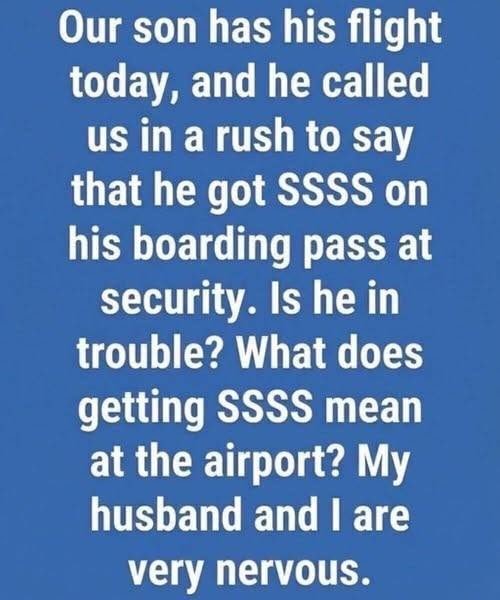
For travelers who receive SSSS repeatedly, there may be an explanation. In some cases, a person’s name closely matches someone on a government watchlist, causing repeated screenings by mistake. The Department of Homeland Security provides a process called DHS TRIP, the Traveler Redress Inquiry Program, for people in this situation. By submitting identifying information through that process, travelers may be able to receive a Redress Number that helps distinguish them from someone else in the system and reduces the likelihood of future repeated screenings.
Preparation can make the experience easier. Trying to check in online before the flight can sometimes provide an early clue if extra screening is required. Arriving earlier than usual at the airport is one of the best ways to avoid unnecessary stress. Keeping electronic devices charged is also important, since officers may ask to see them power on. An organized carry-on bag can make inspection faster and simpler as well.
In the end, the SSSS code represents the balance between convenience and security in modern air travel. It may add time and inconvenience, but it is part of a broader effort to keep flights safe. Understanding what it means and knowing what to expect can make the process less stressful and easier to manage. What seems alarming at first is usually just an extra layer of precaution built into the system.