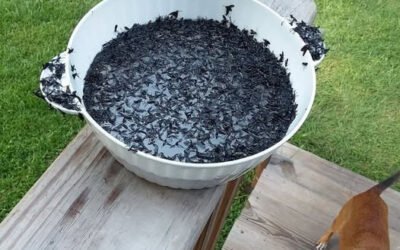
Portuguese Man o’ War: One of the Biggest Concerns
Despite looking similar to jellyfish, Portuguese man o’ war are actually different organisms entirely.
Why They Are Dangerous
Their tentacles can extend many feet and deliver painful stings capable of causing:
- Severe burning pain
- Muscle cramps
- Nausea
- Difficulty breathing in serious cases
Strong currents sometimes bring large numbers close to shore.
Even Beached Specimens Are Dangerous
One important fact many people do not realize is that man o’ war tentacles can still sting long after washing onto the beach.
Children are especially vulnerable because the bright blue-purple appearance often looks interesting or harmless.
Does a Purple Flag Mean You Cannot Swim?
Not necessarily.
Unlike double red flags, a purple flag does not automatically close the water.
What the Warning Actually Means
A purple flag means:
- Dangerous marine life has been observed
- Swimmers should stay alert
- Extra caution is necessary
Many people still choose to swim carefully when purple flags are present.
When You Should Avoid the Water
You may want to stay out if:
- You have young children
- You are highly sensitive to stings
- Large numbers of jellyfish are visible
- Lifeguards recommend avoiding swimming
- You see additional warning flags alongside purple
Always listen to local lifeguards because they understand current conditions best.
How to Stay Safe When a Purple Flag Is Flying
Fortunately, a few simple precautions dramatically reduce the risk of injury.
Watch the Water Carefully
Before entering:
- Scan for jellyfish
- Look for warning signs
- Ask lifeguards what was spotted
Many beaches provide detailed updates about current marine hazards.
Wear Protective Gear
Helpful items include:
- Water shoes
- Rash guards
- Protective swimwear
These can reduce contact with stinging creatures and sharp surfaces.
Shuffle Your Feet
The stingray shuffle is simple but effective.
Instead of stepping normally:
- Slide feet slowly across sand
- Avoid sudden downward steps
This movement warns stingrays and encourages them to swim away.
What To Do If You Get Stung
Knowing basic first aid can make a huge difference.
Jellyfish Stings
For most jellyfish stings:
- Rinse with seawater, not fresh water
- Remove tentacles carefully
- Apply vinegar if recommended locally
- Use hot water for pain relief
Avoid rubbing the area because it can worsen the sting.
Stingray Injuries
If stung by a stingray:
- Soak the wound in hot water
- Seek medical attention
- Watch for infection
Even small punctures can become serious without treatment.
Severe Reactions Require Emergency Care
Seek immediate medical help if symptoms include:
- Trouble breathing
- Chest pain
- Severe swelling
- Dizziness
- Fainting