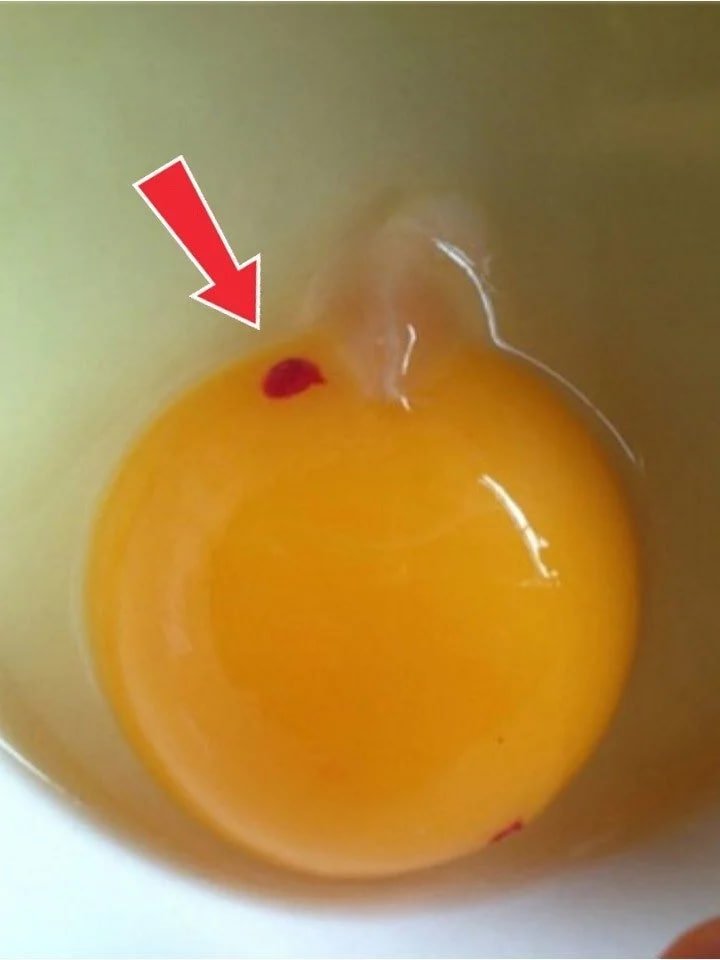
A common myth is that blood spots mean the egg has been fertilized. This is false. Blood spots are actually the result of small blood vessels in the hen's ovaries or fallopian tubes, which are the tubes that carry the eggs from the outside to the ovaries.
Blood spots can appear in both the yolk and the white. If the spot is in the yolk, it means that bleeding occurred in the ovary when the egg was released from the follicle. If the spot is in the white, it means that bleeding occurred after the egg was released into the fallopian tube.
Always cook your eggs properly
Apart from blood spots, you should always store and cook your eggs properly. If you buy your eggs from a store, store them in the refrigerator. Fresh farm eggs can be stored at room temperature, but make sure that the storage location is not too bright or too warm. Don’t use eggs with cracks in the shell – this is a great opportunity for bacteria to get into the egg. Cooked eggs can last up to a week in the refrigerator.
When cooking, always wash your hands before handling eggs. Wash them afterwards too. Cook eggs until both the yolk and white are firm. Eating raw eggs increases your risk of salmonella poisoning. If you’re making a recipe that calls for undercooked or raw eggs, make sure you use eggs that have been pasteurized to kill salmonella and other bacteria. This will also help reduce your risk of food poisoning.
It’s important to keep eggs at the right temperature when transporting them. If you’re packing them in a lunch box or picnic basket, make sure they’re in a cooler or next to a cooler to keep them cold. Also, avoid exposing them to direct sunlight.
Finally, be aware of the signs of food poisoning, which include vomiting, diarrhea, and stomach cramps. Other flu-like symptoms, such as muscle aches, headaches, and fever, may also occur. If you experience these symptoms, see a doctor who can provide the necessary treatment for your illness. Be sure to rest and stay hydrated. It is also a good idea to report your food poisoning to the FDA, as it may be a one-time event or part of a larger problem that can affect many people.