The paint marks must be vertical
Signs are usually 8 to 12 inches tall
They must be placed 3 to 5 feet (about 1.5 to 1.5 meters) above the ground.
Signs are placed every 100 to 1,000 feet along the property line
The color must be purple, often called "flaming purple."
In states like Texas, purple paint has the same legal force as a stationary sign.
Why is purple paint used?
Purple was chosen for practical reasons. It is highly visible in all seasons, rare in nature, and not easily confused with other markings, such as surveying paint or power lines. Purple paint is also long-lasting and fade-resistant, making it ideal for outdoor boundary markings.
Where does the purple paint law apply?
The law is not in effect nationwide. States like California, New York, and most of New England do not recognize purple paint as a legal trespassing sign. In these areas, purple markings have no legal significance. Laws can also change, so it’s always best to check your local ordinances.
What happens if you ignore purple paint?
In states where the law is in effect, entering land marked with purple paint can result in legal penalties. Hunters, hikers, and even drone operators have been issued trespassing violations for ignoring these markings, even when there were no signs.
Final Thoughts
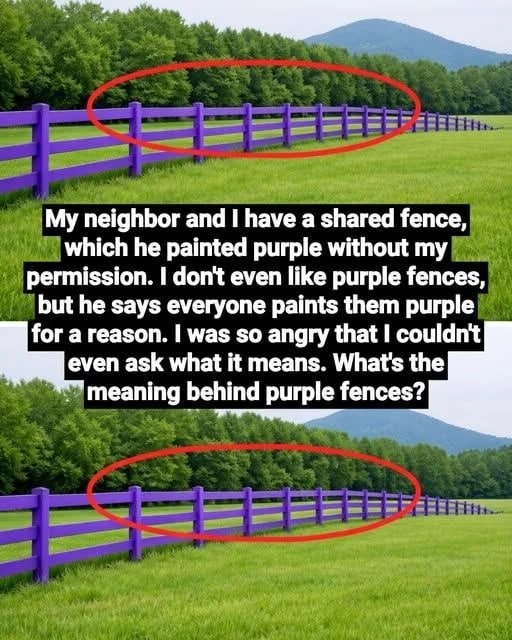
Purple paint is a quiet but powerful message. It reflects a practical solution for landowners and a strong respect for private property rights in rural America. The next time you see a purple stripe on a fence or tree, remember that it’s not a design choice—it’s a legal boundary and a clear warning to stay away.