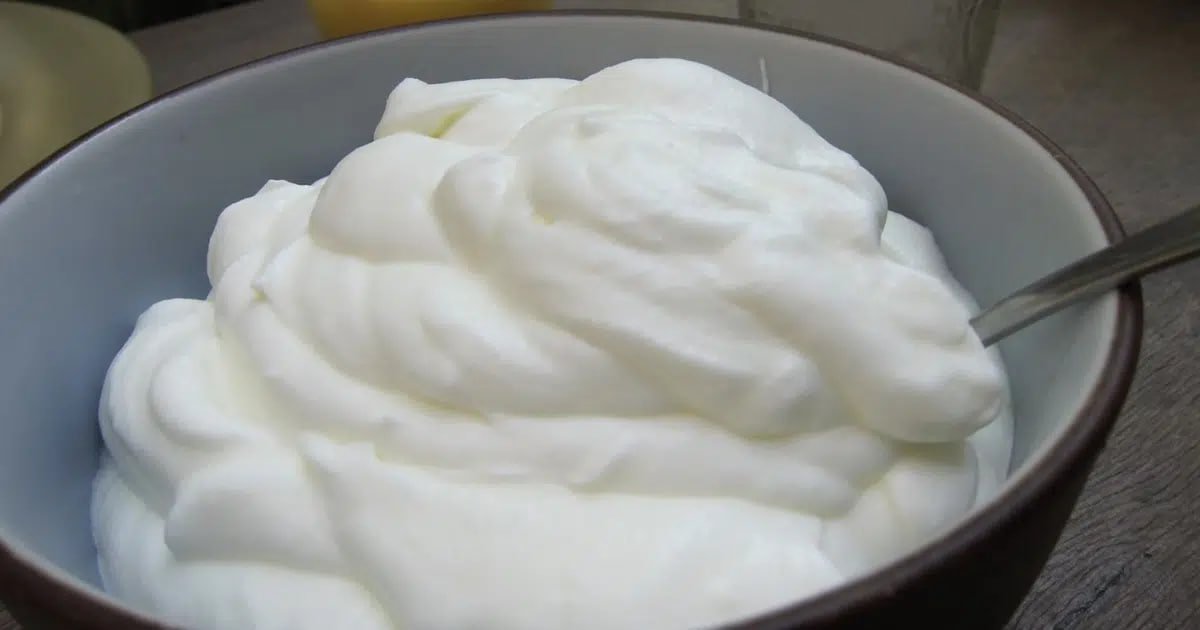
While the difference might seem small, that extra fat in heavy cream can make a big difference depending on what you’re making.

How Do They Perform in Recipes?
The type of cream you use can affect texture, consistency, and even flavor. Here’s a breakdown of when to use each:
Heavy Cream: The Powerhouse
I like to think of heavy cream as the MVP of dairy products. It’s the best choice when you need something that can hold its shape or add richness to your dish.
- Whipped Cream: Heavy cream whips up beautifully and stays stable for hours. If you’re making a cake topping or dessert garnish, go with heavy cream for that thick, luscious texture.
- Sauces and Soups: Ever tried making Alfredo sauce or creamy tomato soup? Heavy cream adds that luxurious, silky consistency you can’t get with anything else.
- Baking: For recipes like ganache or custards that need a rich, creamy base, heavy cream is a must.
I once tried substituting whipping cream in a ganache recipe, thinking it wouldn’t make a difference. Let’s just say my “ganache” ended up more like a runny glaze—not the decadent chocolate layer I was hoping for. Lesson learned!

Whipping Cream: The Lightweight Option
Whipping cream still has plenty of uses, especially when you want something a little lighter.
- Light Whipped Toppings: If you’re making a whipped cream topping for pancakes or hot cocoa, whipping cream works fine. It’s a bit softer and easier to spread than heavy cream.
- Desserts: Whipping cream is great for mousses, trifles, or recipes where you don’t need the cream to hold its shape for too long.
- Everyday Cooking: Whipping cream is a good option for lighter sauces or soups where you don’t want as much richness.