Common Myths About “Miracle Foods”
Why Viral Health Claims Spread Quickly
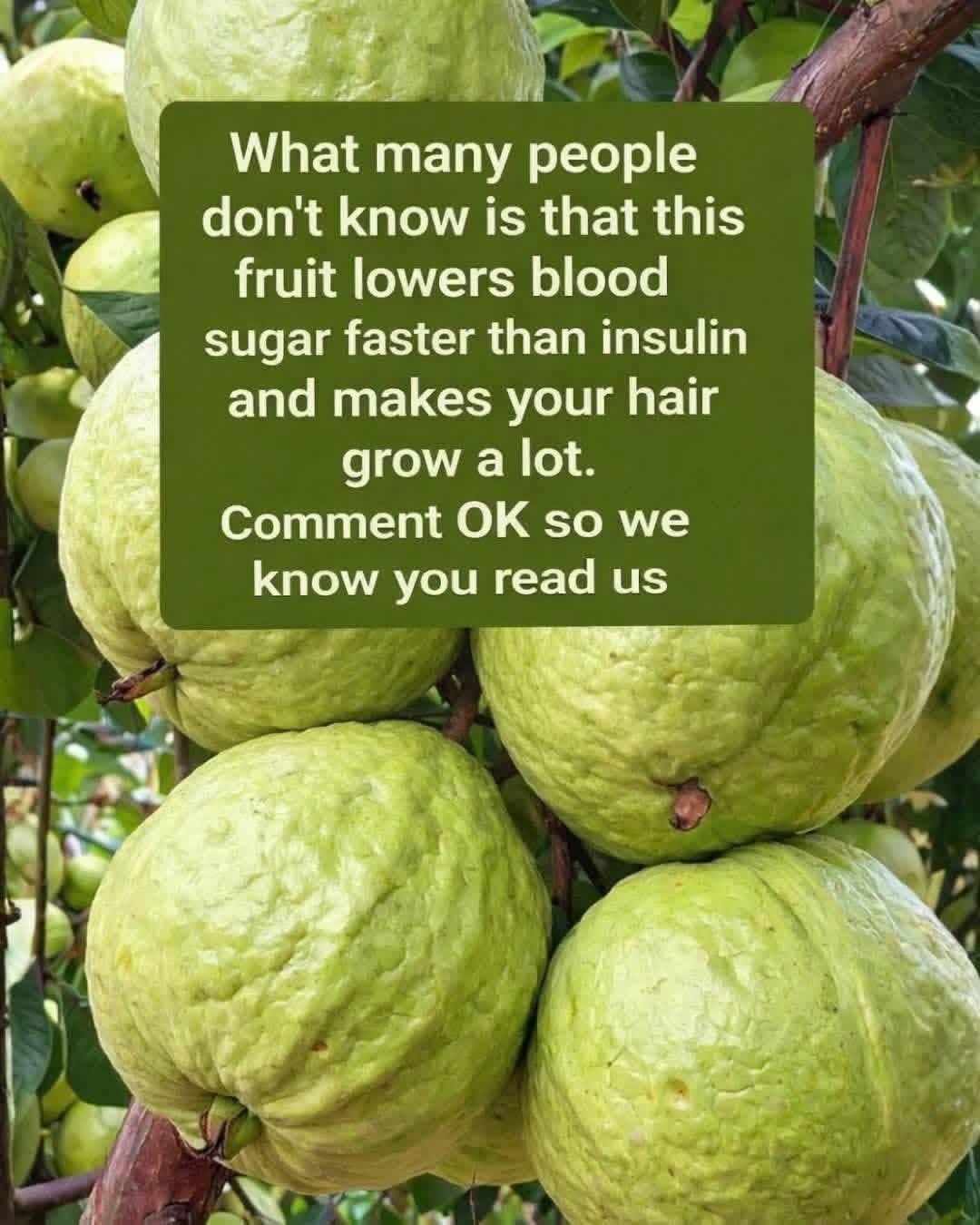
Social media posts often use dramatic language because sensational claims attract attention rapidly. Statements promising instant cures or life-changing results can spread widely even without scientific evidence.
Foods such as guava, lemon, ginger, garlic, and turmeric frequently appear in exaggerated wellness claims online. Although these foods contain valuable nutrients, they are not miracle treatments.
Understanding the difference between nutritional support and medical treatment helps people make safer health decisions.
How to Evaluate Health Information Online
When reading health claims online, it helps to ask several important questions:
- Is scientific evidence provided?
- Are medical professionals referenced?
- Does the claim sound exaggerated?
- Does it encourage replacing medical care?
- Is the language designed to create fear or urgency?
Reliable health information usually avoids dramatic promises and encourages professional medical guidance when needed.
FAQ
Is guava healthy for people with diabetes?
Guava may fit into many balanced diets because it contains fiber and has a relatively low glycemic index. However, people with diabetes should follow medical guidance regarding diet and treatment.
Does guava replace insulin?
No. Guava cannot replace insulin or diabetes medications.
Can guava improve hair health?
Guava contains nutrients that support overall wellness, including vitamin C, which may help support healthy hair as part of a balanced diet.
Is guava high in vitamin C?
Yes. Guava is extremely rich in vitamin C and often contains more than oranges.
What are the main benefits of guava?
Guava may support digestion, immune health, antioxidant protection, and overall wellness due to its fiber and nutrient content.
Conclusion
Guava remains one of the most nutritious tropical fruits available thanks to its impressive vitamin C content, fiber, antioxidants, and refreshing flavor. Although online claims sometimes exaggerate its abilities, guava still offers many genuine health benefits when included in a balanced diet.
The fruit may support digestion, immune function, and overall wellness, but it cannot replace insulin or medical treatment. Understanding the difference between evidence-based nutrition and misleading viral claims helps people make healthier and safer decisions.
When enjoyed responsibly as part of a healthy lifestyle, guava truly deserves its reputation as a nutritious and refreshing superfruit.