How to Make Homemade Rosemary Soap:
Option 1: Quick & Easy Melt-and-Pour Rosemary Soap
- Melt ½ pound of glycerin soap base in a double boiler.
- Add 1 tbsp dried rosemary leaves and 10 drops rosemary essential oil.
- Stir well and pour into soap molds.
- Let cool for 4 hours, then pop out and use!
Option 2: Traditional Cold-Process Rosemary Soap
- In a well-ventilated area, combine 10 oz of coconut oil, 10 oz of olive oil, and 5 oz of lye.
- Slowly mix the lye solution into the oils and blend until it reaches “trace” (thick pudding consistency).
- Stir in 2 tbsp finely chopped rosemary and 10 drops rosemary essential oil.
- Pour into a soap mold and let cure for 4-6 weeks.
Extra Tip: Add oatmeal or honey for a moisturizing boost!
20. Add Rosemary to Homemade Cleaning Sprays
Rosemary has antibacterial, antifungal, and antiviral properties, making it a natural cleaner that eliminates germs without harsh chemicals. The fresh, herbal scent also naturally deodorizes your home.
How to Make a DIY Rosemary Cleaning Spray:
- Fill a glass spray bottle with white vinegar (or rubbing alcohol for a stronger disinfectant).
- Add 2-3 fresh rosemary sprigs.
- Optional: Add lemon peels or lavender for extra fragrance.
- Let sit for 1-2 weeks so the rosemary infuses into the solution.
- Strain out the rosemary and pour the liquid into a clean bottle.
How to Use It:
- Spray on kitchen counters, stovetops, and sinks.
- Use as a bathroom disinfectant (perfect for mirrors & tiles).
- Mist in rooms for a natural air freshener.
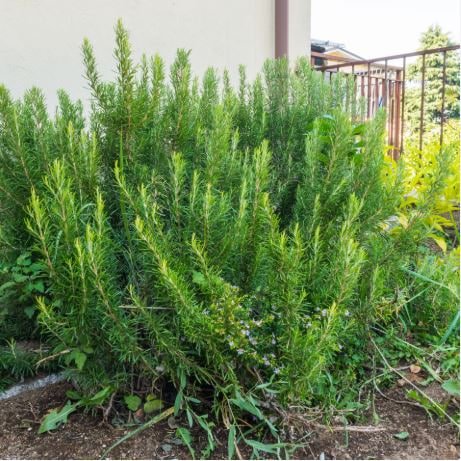
A rosemary bush is a kitchen staple, natural remedy, and home essential.
With endless uses, growing your own saves money, enhances your garden, and promotes well-being.