1. Choose the right coriander variety for your pots.
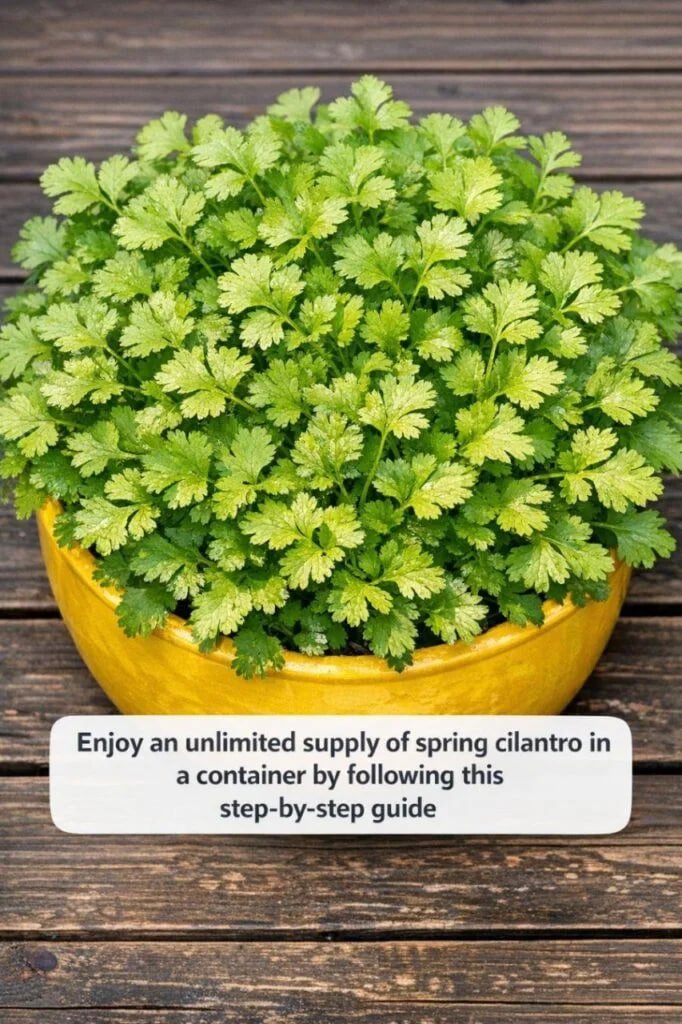
When growing coriander in a pot, it is important to choose a variety that is suitable for this type of cultivation. Slow-flowering varieties, such as 'Calypso' or 'Santo', are ideal because they have been bred to delay flowering, allowing you to enjoy fresh leaves for longer. These varieties also have dense, lush foliage that is perfect for a continuous harvest. When buying seeds, look for those that are specifically labeled as slow-flowering to ensure you get the right variety for your potted garden.
2. Choose the perfect pot and make sure it has good drainage.
Choosing the right pot is essential for successful coriander cultivation. Choose a pot that is at least 30 cm in diameter and at least 30 cm deep. This size gives the roots plenty of room to spread and develop, which promotes healthy growth. Make sure the pot has several drainage holes in the bottom to prevent water from pooling in the pot, which can lead to root rot. Consider using a saucer under the pot to catch excess water, but be sure to drain it regularly to avoid standing water that can attract pests and disease.
3. Mix in a nutrient-rich, spring-ready potting soil.
Coriander grows best in well-draining, nutrient-rich soil. Make your own potting soil by mixing equal parts high-quality potting soil, compost, and perlite or coarse sand. This mixture will provide the nutrients you need while ensuring good drainage and aeration, both of which are essential for cilantro root development. Adding a slow-release organic fertilizer to the mix can also provide a steady supply of nutrients over time, promoting vigorous growth throughout the spring.