Lacewing Eggs Look Different but Equally Helpful
Lacewings Protect Plants Naturally
Lacewings are another important beneficial insect found in gardens worldwide.
Their larvae aggressively feed on destructive pests that damage leaves and stems.
Their Eggs Often Sit on Tiny Stalks
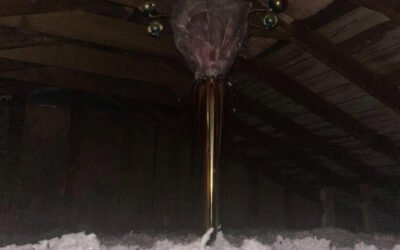
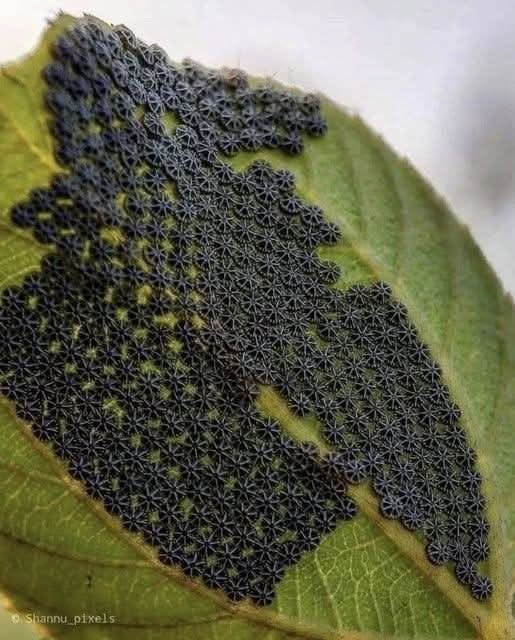
Unlike tightly packed clusters, lacewing eggs sometimes appear suspended individually on fine thread-like stems.
Gardeners occasionally mistake them for fungus or mold.
Why You Should Avoid Spraying Immediately
Many Sprays Harm Helpful Insects Too
Even organic treatments can accidentally kill beneficial insects and pollinators.
Neem oil, insecticidal soaps, and broad-spectrum pesticides do not always distinguish between harmful and helpful species.
Spraying Disrupts Garden Ecology
Removing natural predators often allows pest populations to explode later because nothing remains to control them naturally.
Balanced gardens usually require fewer interventions overall.
How to Identify Harmful Pest Eggs
Watch for Plant Damage
Destructive pests often leave visible signs behind, including:
- Holes in leaves
- Sticky residue
- Yellowing foliage
- Webbing
- Distorted growth
Beneficial insect eggs usually appear without causing damage.
Observe Nearby Activity
Helpful insects often appear near aphid colonies or mite infestations because food sources attract them.
Their presence may actually signal that your garden is correcting itself naturally.
Why Garden Diversity Matters
Mixed Plantings Encourage Helpful Insects
Gardens filled with flowers, herbs, and vegetables attract a wider variety of pollinators and predators.
Diverse gardens naturally resist severe infestations better than monoculture spaces.
Native Plants Support Local Ecosystems
Native flowers and shrubs provide shelter and food for insects that already belong to the local environment.
These plants help maintain ecological stability year after year.