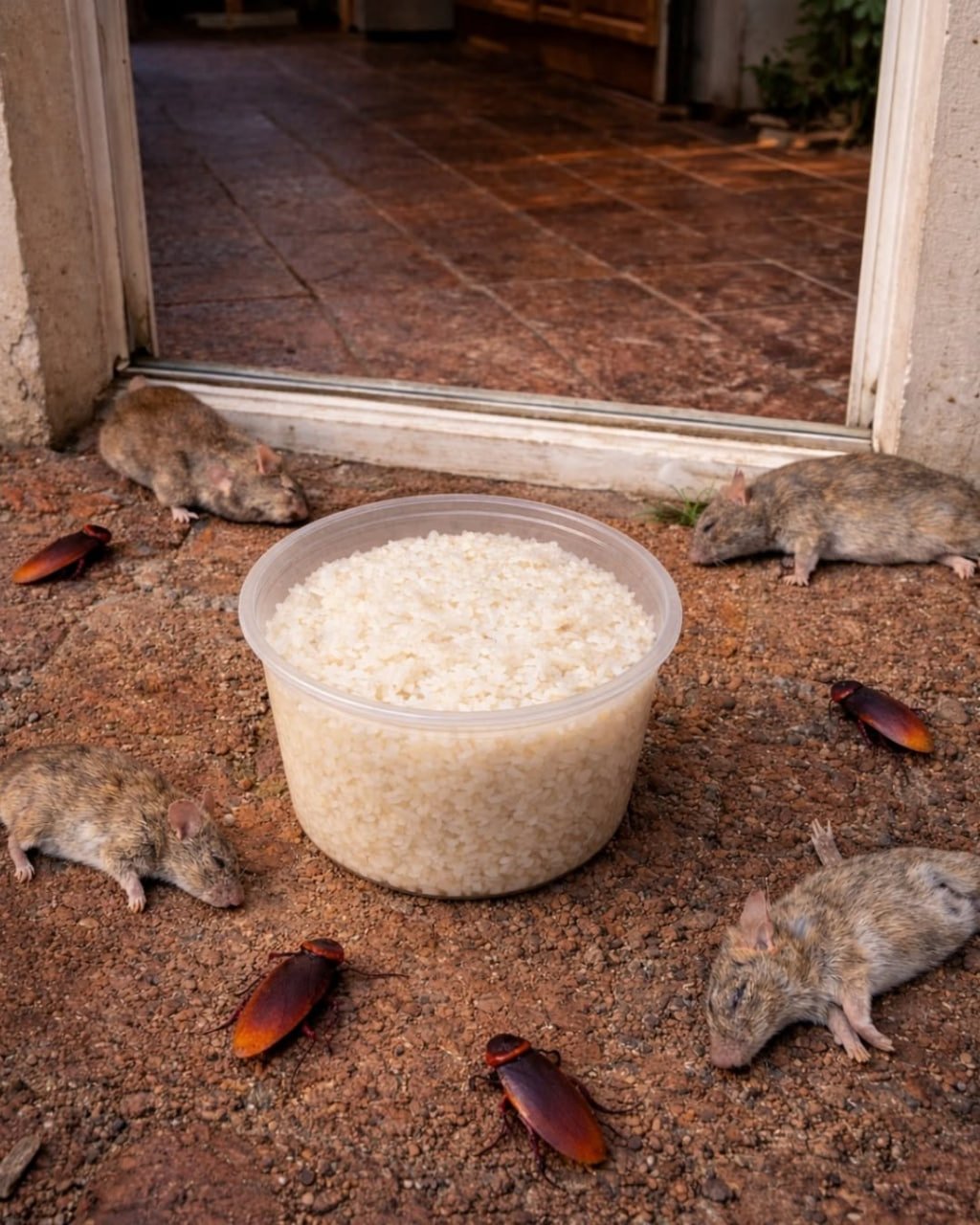
Using Bay Leaves for Rats and Mice
Rodents dislike strong unfamiliar smells, which is why aromatic herbs sometimes help.
Place Leaves Near Entry Points
Good locations include:
- Garage corners
- Basement cracks
- Utility openings
- Storage shelves
Crush Leaves Slightly for Stronger Scent
Crushing the leaves releases more oils and increases aroma intensity.
Replace them regularly because the scent fades over time.
How Often Should You Replace Bay Leaves?
Fresh scent matters most.
Replace Every 2–3 Months
Old leaves lose potency once the oils weaken.
If you no longer smell the leaves easily, pests probably cannot either.
Store Extra Leaves Properly
Keep unused leaves:
- In sealed containers
- Away from moisture
- In cool dark cabinets
That helps preserve their aroma longer.
Other Natural Pest Prevention Tips
Bay leaves work best alongside proper home maintenance.
Eliminate Food Sources
Pests thrive where food remains available.
Important habits include:
- Wiping crumbs quickly
- Sealing dry goods
- Cleaning spills immediately
- Taking trash out regularly
Reduce Moisture
Cockroaches especially love damp spaces.
Fix:
- Leaky pipes
- Standing water
- Damp basements
- Humid cabinets
Seal Entry Points Around the Home
Prevention matters more than repelling alone.
Close Cracks and Gaps
Seal openings around:
- Pipes
- Windows
- Doors
- Baseboards
Even tiny holes can allow mice or insects inside.
Use Door Sweeps and Screens
Simple barriers help prevent pests from entering in the first place.
Common Myths About Natural Pest Remedies
Not every viral household trick works equally well.
Myth: Bay Leaves Instantly Drive Pests Away
False.
Bay leaves may discourage pests gradually, but they are not instant solutions.
Myth: Natural Means Guaranteed Effective
Some natural methods help mildly, while others do almost nothing.
Good prevention still matters most.
Signs You May Need Professional Help
Sometimes DIY methods are not enough.
You See Roaches During the Day
Cockroaches usually hide during daylight hours.
Frequent daytime sightings can suggest:
- Large infestations
- Overcrowding
- Nesting nearby
You Notice Rodent Droppings or Gnawing
Signs of rats or mice include:
- Droppings
- Chewed packaging
- Scratching sounds
- Grease marks along walls
Professional treatment may become necessary at that point.