Ingredients
- 1 cup unsweetened green tea
- 1 cup raw carrot sticks
- 1 cup celery sticks
- 1/2 cup plain unsweetened yogurt
- 1 oz cheddar cheese cubes
- 1 piece xylitol sugar-free gum
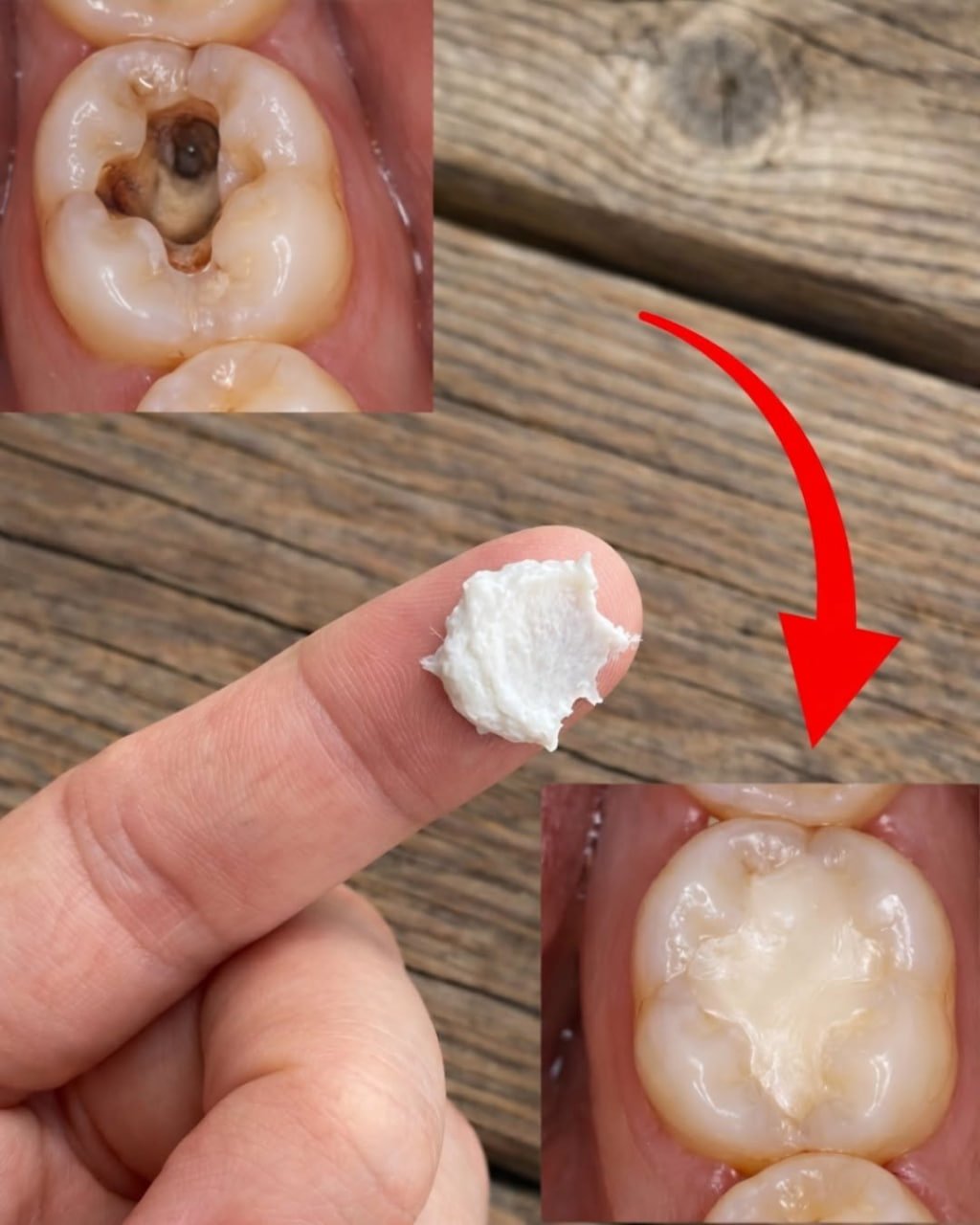
Lemon juice, apple cider vinegar, and other acidic rinses can weaken enamel. Although they may seem natural, acids can make teeth more sensitive and more vulnerable over time.
If you consume acidic foods or drinks, rinse with water afterward. Then wait before brushing, because brushing immediately after acid exposure can be harsh on softened enamel.
Baking soda and charcoal often appear in natural whitening tips. However, frequent scrubbing with abrasive powders can wear enamel and irritate gums.
Activated charcoal has not shown strong evidence for safe whitening and may be too abrasive for regular use. Therefore, choose dentist-approved toothpaste instead of rough DIY scrubs.
Brush for two minutes with fluoride toothpaste in the morning and before bed. Then clean between teeth once daily with floss, floss picks, or interdental brushes.
After meals, rinse with water. This simple step helps clear food particles and reduces acid exposure.
Frequent snacking gives bacteria more chances to produce acids. So, instead of grazing all day, enjoy snacks at planned times.
Choose water, crunchy vegetables, cheese, plain yogurt, nuts, or xylitol gum when appropriate. Meanwhile, keep sticky candies, sweet drinks, and refined snacks occasional rather than constant.
No. Natural habits may support prevention, but a true cavity needs professional dental care.
Yes. Fluoride toothpaste remains one of the best proven tools for cavity prevention.
It is generally low risk when done carefully, but it should not replace brushing, flossing, or dental visits.
It may help as part of a routine, mainly by increasing saliva, but evidence is mixed. Use it as a supportive tool.
Rinse with water after meals and switch sugary drinks to water or unsweetened tea.
5 Simple Natural Home Remedies to Help Prevent Cavities and Support Healthy Teeth can help you build a stronger daily routine. Green tea, crunchy vegetables, cheese or plain yogurt, xylitol gum, and optional oil pulling may support oral health when used wisely.
However, the real foundation stays clear: fluoride toothpaste, daily cleaning between teeth, less frequent sugar exposure, water after meals, and regular dental visits. When natural habits and proven dental care work together, your smile gets the best support.